Going back to the classroom
Professor Puzia’s resume gives him plenty of real world experience to draw from when he’s teaching. As he put it, "I’ve been in business and finance my whole life. I worked in capital markets for Merrill Lynch out of London for a few years. Then, I was an investment banker here in the Bay Area. I left that and, with my now-business partner, we set up PathWise, which is a wealth management firm. We have about 100 clients and manage around $100 million."
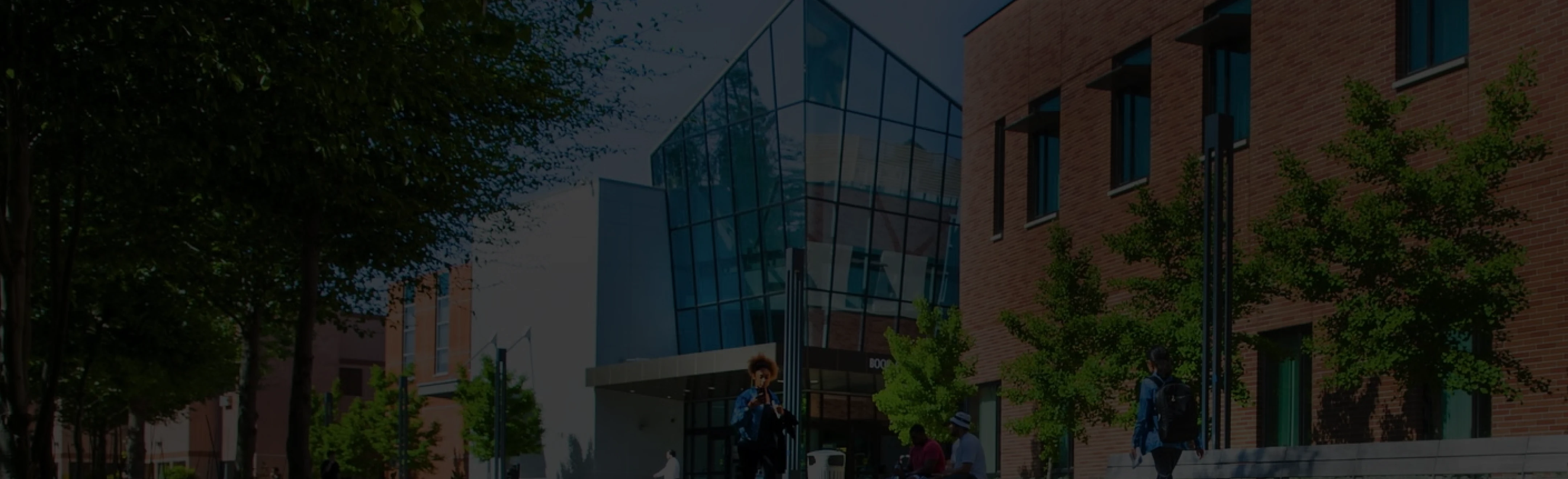
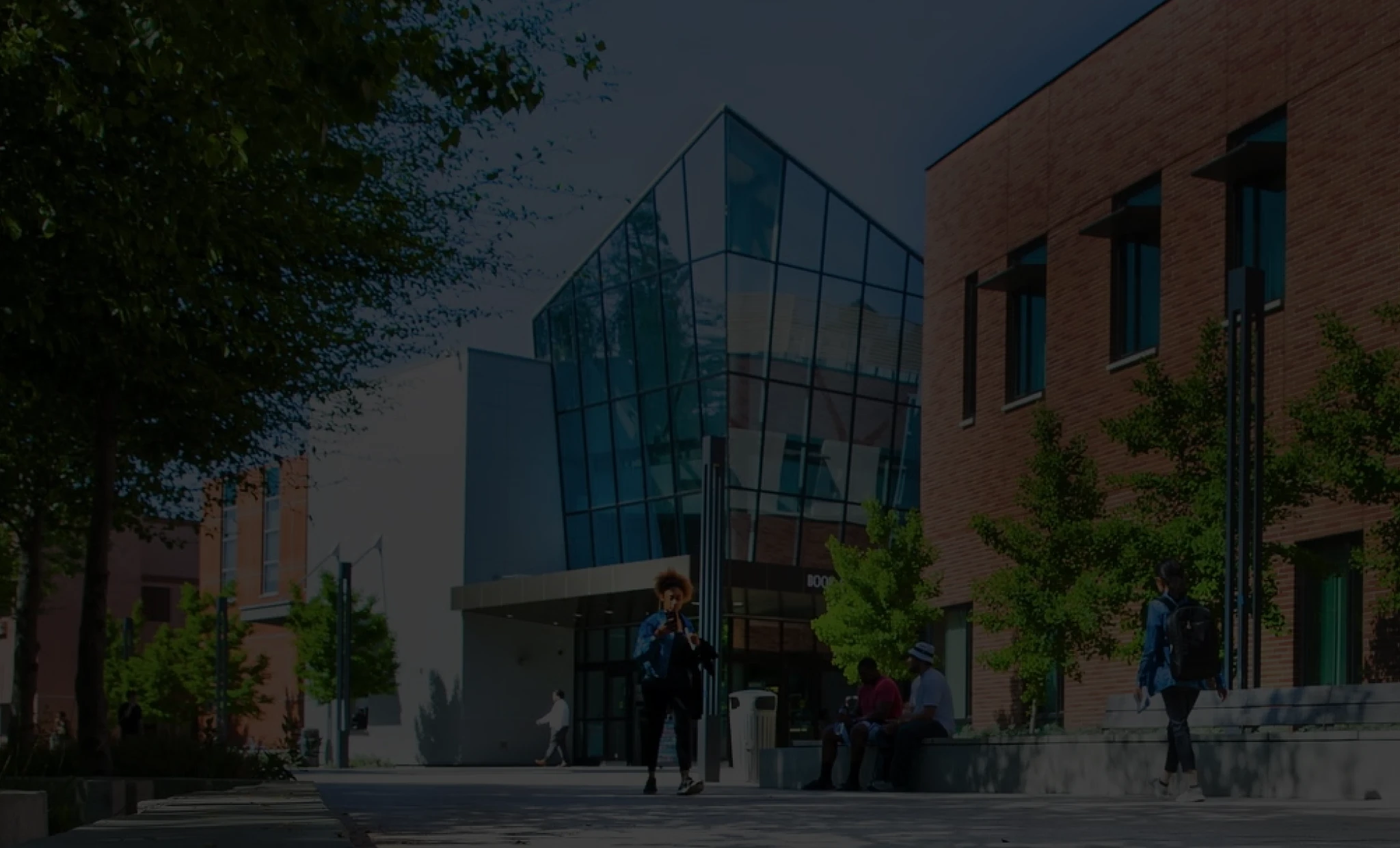
Three years ago, Puzia heard that Diablo Valley was hiring faculty to teach accounting. (Their Pleasant Hill campus is just a few miles from the PathWise office.) He attended DVC prior to completing his undergraduate degree at UCLA, so he applied and joined the team. Puzia has been teaching in the college’s business, finance, and accounting department since then.New technology in a changing academic climate
Before the coronavirus pandemic hit, designing more online courses wasn’t a top goal for many schools. Now that the change is necessary, Puzia said, "Trying to transition a lot of courses to online learning is a bit of a challenge for any institution, but certainly for a public one where there isn’t much history of it. So it’s been an interesting summer."
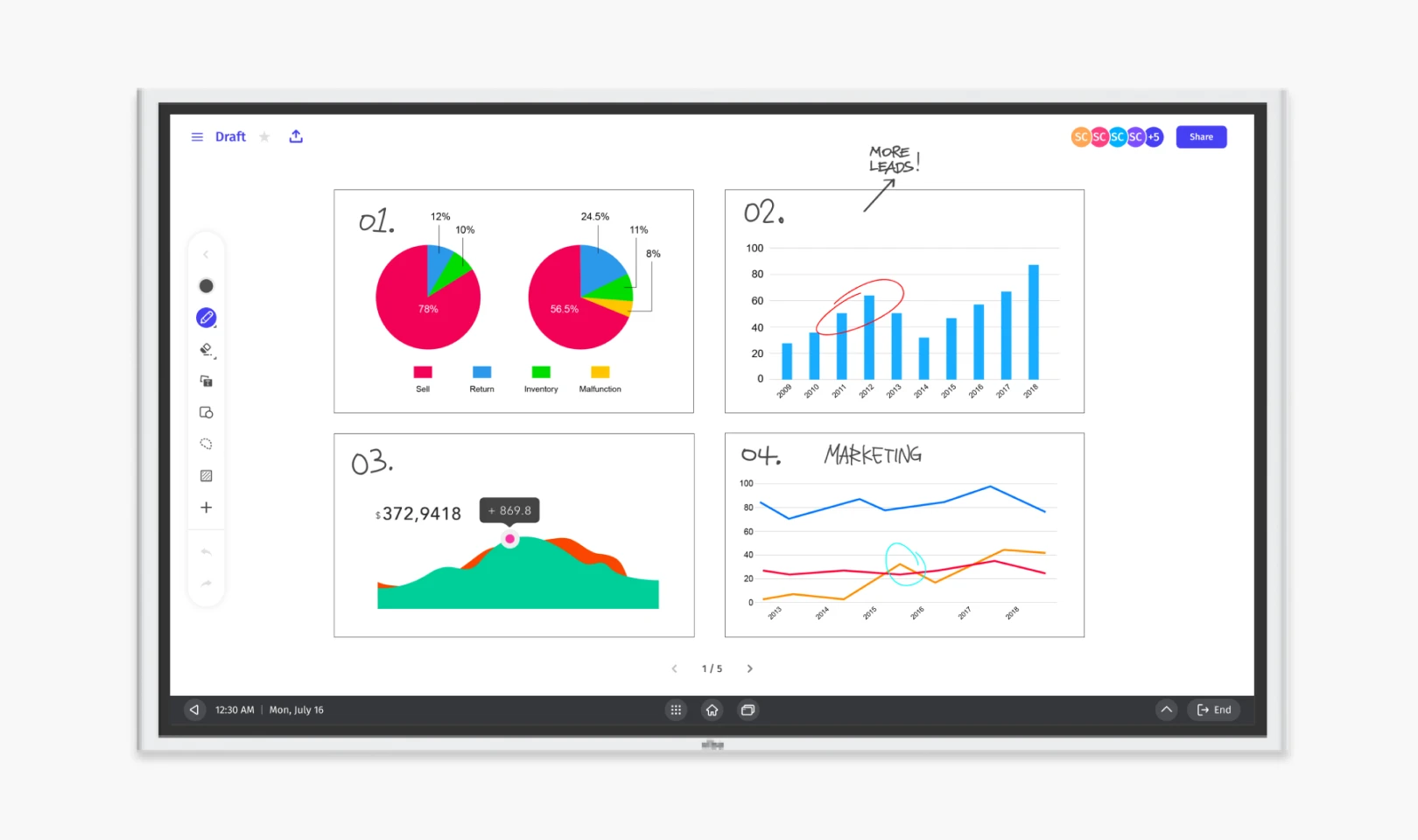
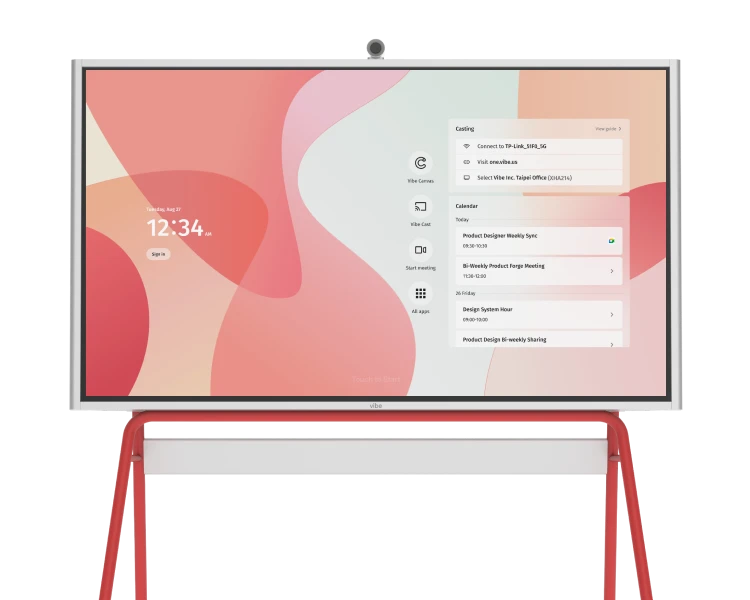
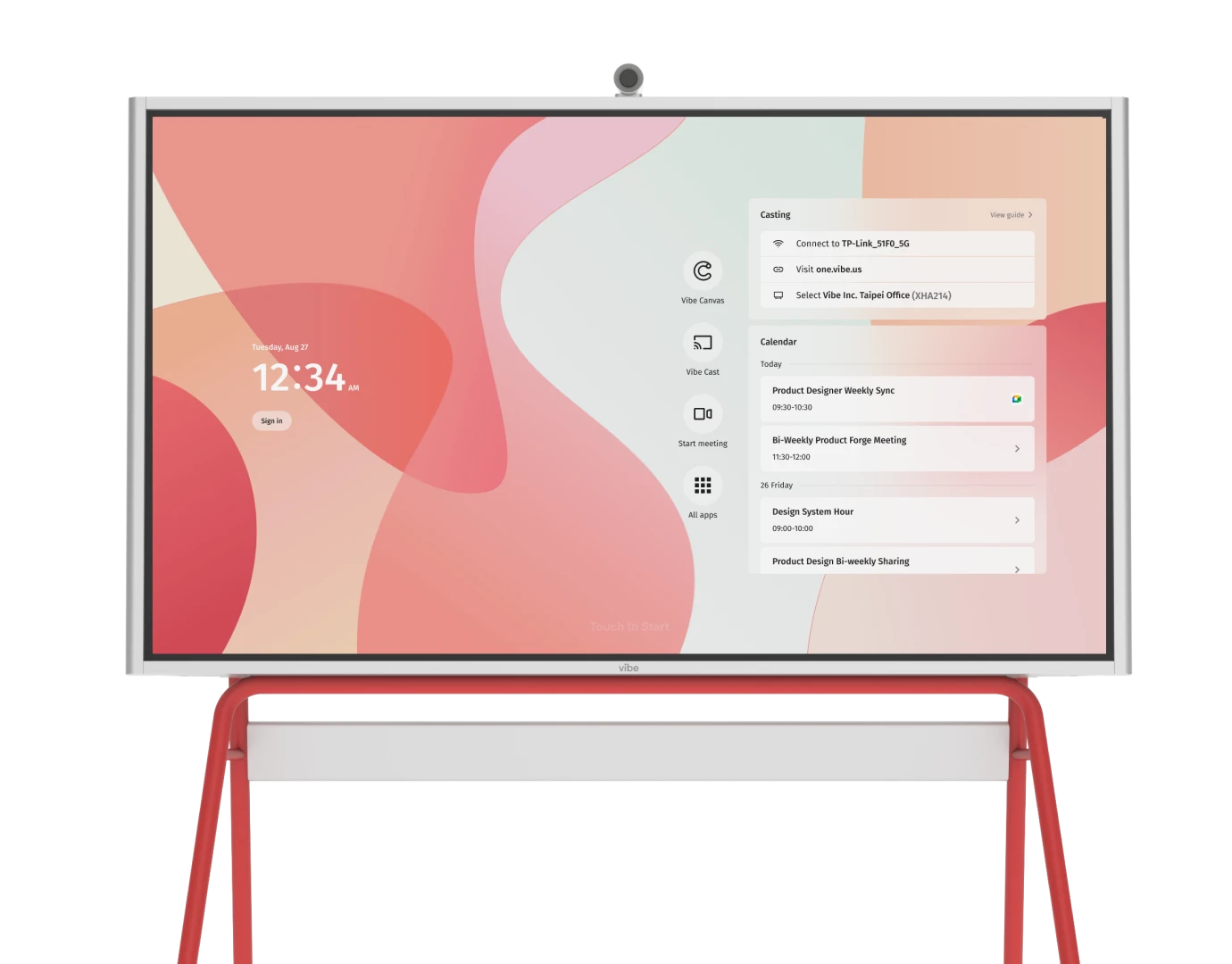
But beyond the fall semester, developing online courses makes sense for the future, too. As Puzia explained, "A community college gets students of all abilities and needs. So, we have students with different learning styles. We have students with different disabilities. And so it’s very important when we set up our classes that we can provide a framework for ALL of the students, as much as possible. That’s what led me to looking at different offerings in the digital whiteboard space."
A flexible definition of 'classroom time'
The students in Puzia’s classes alone illustrate how diverse the student population is at DVC. Some of his students are working professionals, so it’s not always easy for them to be on campus. He added, "I have some students who are at home with eight family members in a two-bedroom apartment. I think it would be a little inconsiderate to say, ‘You have to be online at 6:00 p.m. for class’ when your family’s running around you."
With so many different situations to take into account, online learning gives students and teachers more flexibility in defining "classroom time." So whether Puzia opts for synchronous learning (i.e. all students would log into class at the same time) or asynchronous (students could complete course material and watch recorded lectures on their own schedule), having a digital whiteboard and the right tech accessories would let him offer both.Using Vibe for asynchronous learning
With planning for the fall semester in full swing, Puzia said that using the Vibe Board has been "pretty straightforward. I feel like I’m a 6 or 7 out of 10 in technology, so good enough to be dangerous," he joked. "But so far, using the Board seems pretty intuitive."
Puzia is focused on testing different ways to record and edit his lectures, which is important because he plans on designing primarily asynchronous courses. He's hopeful that this style of teaching will help him to accommodate more students. As he pointed out, "If you have students with disabilities, you really want to be able to do things like caption your videos. It’s really challenging to caption live videos, so I’m trying to, as much as possible, be pre-recording so that people can access those whenever."Using today’s challenges for future success
The biggest takeaway from Puzia’s preparation for the 2020-21 school year is that using new tech tools simply for the sake of using new tech isn’t the point. The point is to make sure you’re adding value to your classes for the benefit of the students.
"Whatever technology solution you design as a professor for students, either create some very clear steps for how students can access that, or keep the technology as user-friendly as possible. It’s a challenge for a lot of students, and you have to be understanding, too," he said.
Yet he also wants to challenge his students to learn new skills outside of what he covers in lectures. Puzia said that all too often he sees otherwise promising college graduates struggle in their first jobs simply due to lacking basic technical skills.
"Pushing my students to start thinking that way and doing it, I think, is really valuable because at the end of the day I want my students to have jobs. No one’s really going to my accounting classes because they’re bored. They’re usually going to my classes because they want a job. Part of having a job is you have to be comfortable with technology, almost no matter what you’re doing for work. So that was my idea with the digital whiteboard: how can I take things to the next level, and how can I utilize it?"