

The healthcare industry faces mounting pressures: rising costs, labor shortages, and administrative burden that consumes hours clinicians could spend with patients. Physician burnout reached 54% in 2025, driven largely by documentation requirements and administrative tasks that pull focus away from care delivery. AI agents represent the next evolution from AI assistants to autonomous systems that can handle entire workflows end-to-end—from appointment scheduling through billing and appeals—without constant human intervention.
This article explores what AI agents are, how they work technically, their impact on healthcare delivery, essential components to evaluate, benefits organizations can expect, common use cases across clinical and administrative functions, and best practices for implementation.
- AI agents operate autonomously to complete multi-step workflows from start to finish with minimal human oversight.
- Healthcare AI agents integrate across clinical and administrative systems to coordinate complex processes like claims adjudication and care delivery.
- Agents reduce physician documentation burden by automating time-consuming tasks that contribute to burnout.
- Strategic human oversight checkpoints ensure safety while maintaining efficiency gains in high-stakes healthcare decisions.
- Multi-agent coordination enables provider-payer online collaboration that streamlines authorization and reimbursement processes.
What are AI Agents?
AI agents are digital systems powered by generative AI that combine predictive capabilities, creativity, and reasoning to perform complicated workflows autonomously. Unlike traditional AI assistants or chatbots that respond to prompts but cannot independently advance multi-step processes, agents function as "virtual workers" capable of executing entire task sequences from initiation through completion.
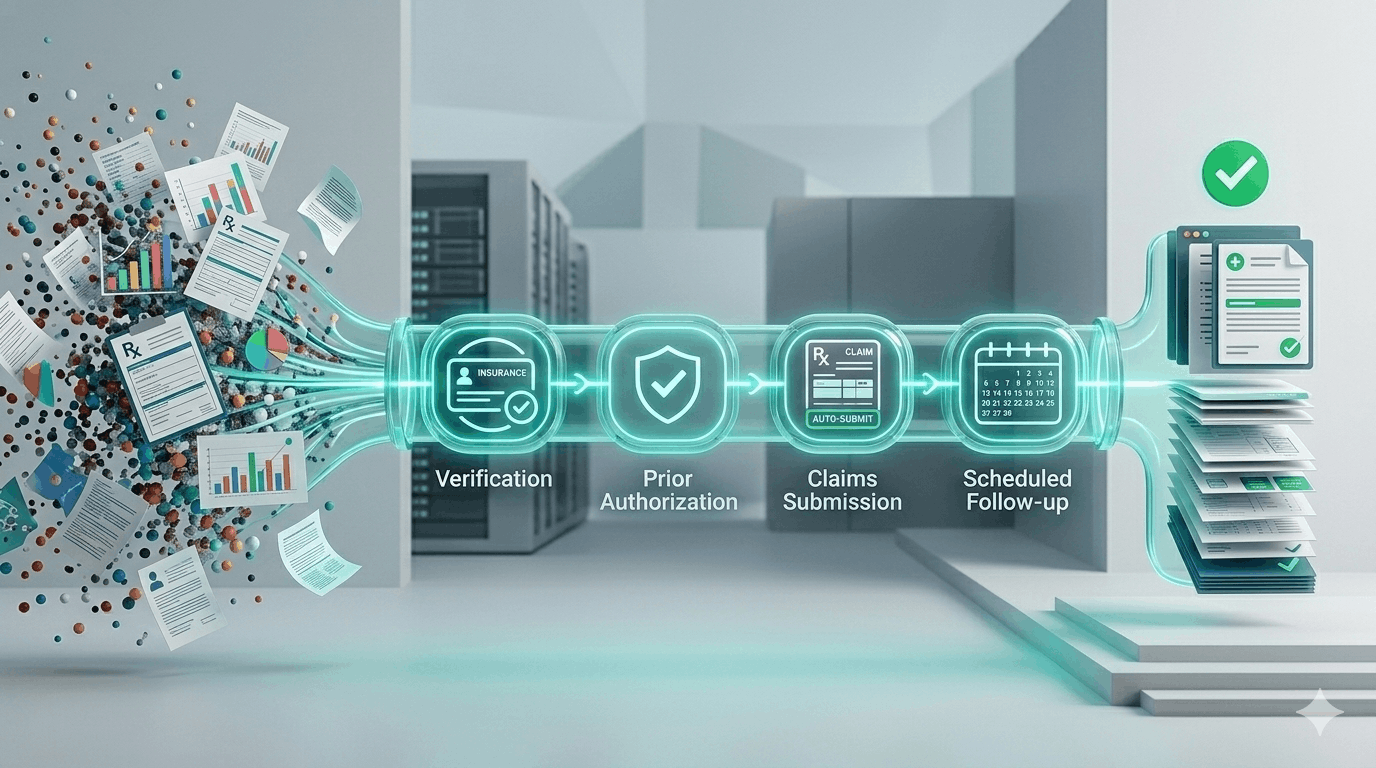
These systems receive specific goals, task details, contextual parameters, guardrails, and access to tools necessary to implement complex workflows. In healthcare contexts, this means an agent might handle everything from verifying insurance eligibility and checking prior authorization requirements to submitting claims and generating appeals for denials—all without requiring human intervention at each step. Agents can operate with varying levels of human oversight, which becomes critical in healthcare where clinical decisions carry significant consequences and regulatory requirements demand accountability.
The distinction between AI assistants and AI agents centers on autonomy and workflow complexity. An assistant might answer a question about a patient’s medication history when prompted. An agent, by contrast, can proactively monitor that patient’s vital signs through connected devices, detect concerning trends, alert the care team, retrieve relevant clinical guidelines, suggest evidence-based interventions, and schedule follow-up appointments—executing a complete care coordination workflow based on its programming and learned behavior patterns.
How Do AI Agents Work?
AI agents operate through a sophisticated technical process that enables them to understand requests, access relevant information, and generate appropriate responses or actions. The system begins when an agent receives a human language request, encodes it into a format the system can process, and sends queries to enterprise data stores and knowledge bases. Large language models (LLMs) interpret these queries semantically, search connected repositories, re-rank content for relevance, and generate coherent responses or execute programmed actions.
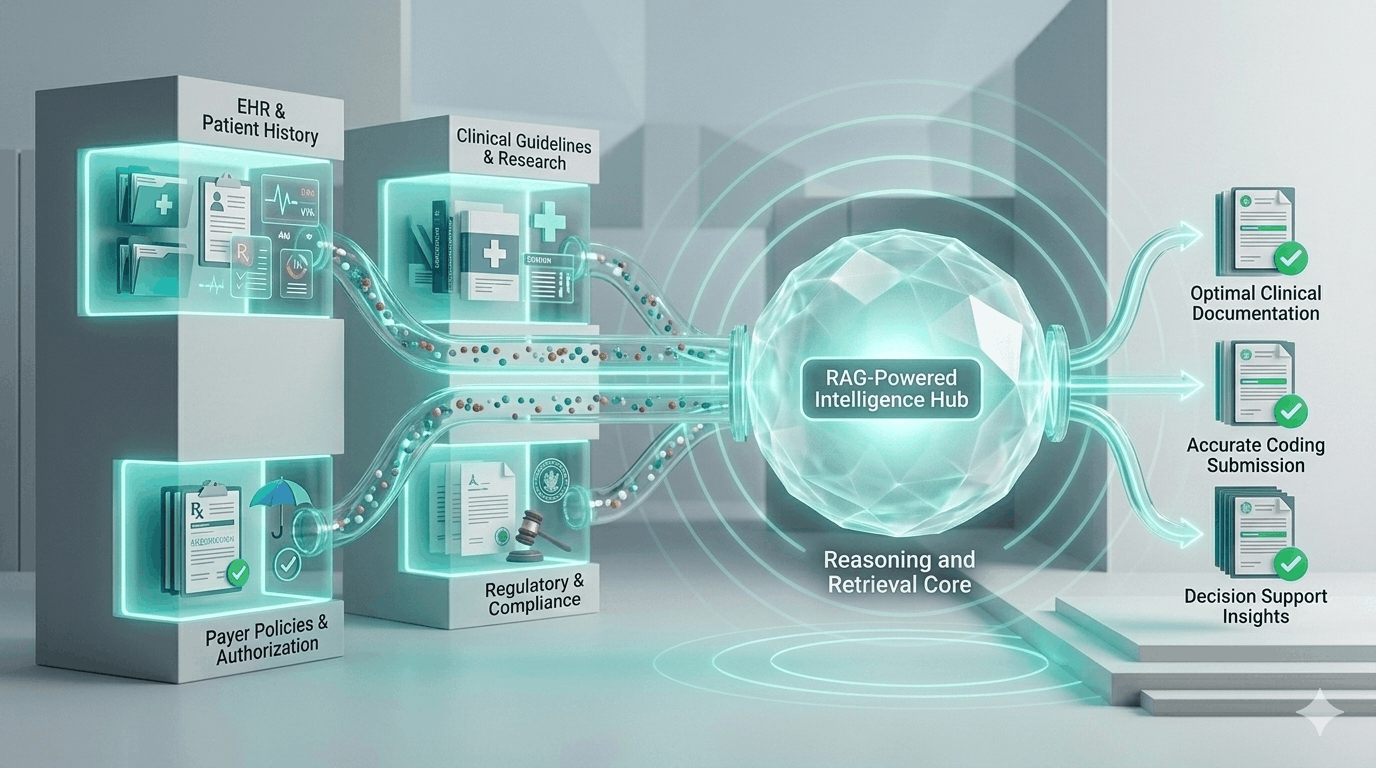
Healthcare AI agents leverage LLMs, retrieval-augmented generation (RAG), and machine learning to process multiple data types simultaneously. They integrate with electronic health records (EHRs), medical research repositories, government regulation libraries, pharmaceutical databases, and external data sources like insurance verification systems. This integration enables agents to access patient histories, current clinical guidelines, coding requirements, payer policies, and treatment protocols—all the information necessary to support clinical and administrative decisions.
Agents examine their environments, take actions based on assigned roles, and fine-tune behavior based on experiences and user feedback. A clinical documentation agent learns which summary formats different physicians prefer. A billing agent identifies patterns in claim denials and adjusts documentation strategies to improve approval rates. This continuous learning capability, combined with the ability to coordinate with other specialized agents, enables healthcare organizations to build increasingly sophisticated automated workflows over time.
How are AI Agents Impacting Healthcare?
AI agents are driving a fundamental shift from reactive sick care to predictive and preventive healthcare. By analyzing patient data from wearables, genetic information, EHRs, and lifestyle factors, agents identify risk patterns before conditions become acute. A cardiovascular monitoring agent might detect subtle rhythm changes that predict atrial fibrillation weeks before symptoms appear, enabling early intervention that prevents stroke.
These systems handle complex workflows across the entire patient lifecycle. Before appointments, agents verify insurance coverage, gather relevant medical history, and identify potential medication interactions. During visits, ambient AI scribes document conversations in real-time while physicians maintain eye contact with patients. After visits, agents schedule follow-ups, send medication reminders, coordinate referrals, submit claims with appropriate codes, track reimbursement status, and generate appeals when payers deny coverage—all without manual coordination.
Multi-agent coordination between providers and payers streamlines processes that traditionally required extensive back-and-forth communication. Provider-side agents compile clinical documentation demonstrating medical necessity for prior authorizations, while payer-side agents verify policy compliance and clinical guidelines. When both systems use compatible AI agents, authorization decisions that once took days can happen in hours, reducing treatment delays and administrative costs on both sides.
Perhaps most significantly, agents reduce the administrative burden that contributes to physician burnout. Documentation, coding, taking notes during video conferencing in healthcare, authorization requests, and billing tasks consume hours that clinicians would prefer to spend with patients. By automating these workflows, agents return time to direct patient care while improving accuracy and compliance. The healthcare industry remains in early adoption stages due to complexity and stringent regulations, but the transformative potential for improving care access, quality, and affordability is driving rapid investment and implementation.
7 Essential Components to Look for in AI Agents for Healthcare
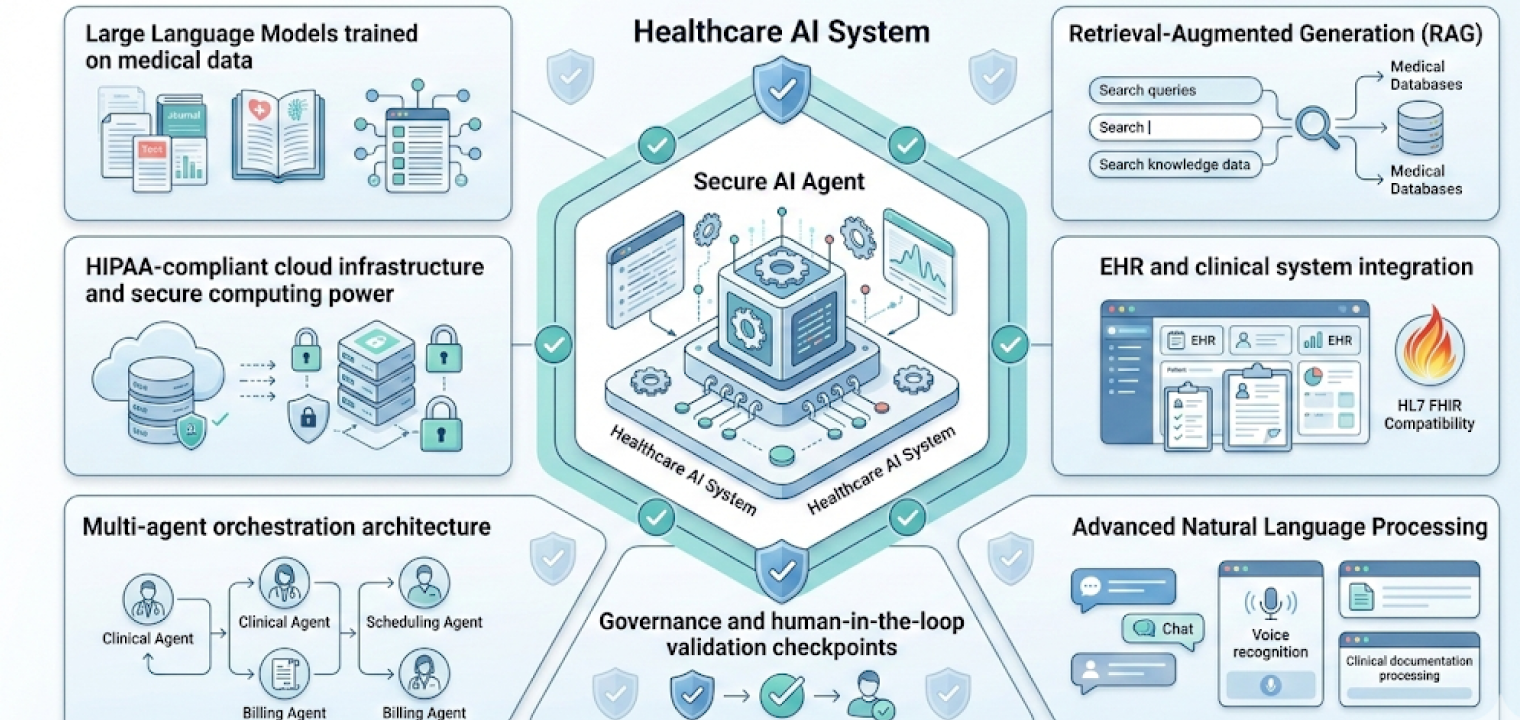
Evaluating AI solutions for healthcare requires understanding which technical capabilities enable safe, effective, and compliant automation. Not every agent needs every feature, but comprehensive healthcare AI agents should incorporate these core components:
-
Large Language Models (LLMs) trained on medical datasets — Agents require specialized training on healthcare-specific terminology, clinical workflows, diagnostic reasoning patterns, and medical research to provide accurate, contextually relevant outputs. Generic LLMs trained primarily on internet content lack the domain expertise necessary for clinical applications and may generate dangerous recommendations. Healthcare-specific models understand that "discharge" has different meanings in cardiology versus obstetrics, and can interpret clinical abbreviations correctly within context.
-
Retrieval-Augmented Generation (RAG) capabilities — RAG technology is essential for optimizing LLM outputs without constantly modifying underlying models. It enables agents to access current medical knowledge, patient-specific information, and institutional protocols at the moment of decision-making rather than relying solely on training data that becomes outdated. This is particularly critical in healthcare, where treatment guidelines, drug approvals, and clinical evidence evolve continuously.
-
Integration with Electronic Health Records (EHRs) and clinical systems — Seamless connectivity to patient records, lab results, imaging systems, pharmacy databases, and other healthcare IT infrastructure is foundational for comprehensive care coordination. Agents that cannot access complete patient information create safety risks and force clinicians to gather data that the system should provide automatically. Look for HL7 FHIR compatibility and proven integration with major EHR platforms.
-
Natural Language Processing (NLP) for multi-modal communication — Healthcare AI agents must understand and respond through chat, text, and voice interfaces while accurately interpreting medical terminology, patient conversations, and clinical documentation. Advanced NLP enables agents to distinguish between a patient saying "I feel fine" with conviction versus uncertainty, extract relevant symptoms from rambling narratives, and generate documentation that meets regulatory requirements for specificity and accuracy.
-
Appropriate governance and human-in-the-loop checkpoints — Strategic placement of human validation points ensures oversight in high-stakes decisions while maintaining efficiency gains. Not every agent action requires approval—medication reminders and appointment confirmations can proceed automatically—but treatment recommendations, diagnostic interpretations, and billing decisions often benefit from clinician review. Effective governance frameworks define which actions agents can complete independently and which require human validation.
-
Multi-agent orchestration architecture — Complex healthcare workflows require coordination between specialized agents working sequentially or in tandem. An orchestration agent might coordinate between task agents (gathering specific information), review agents (checking accuracy and compliance), and planning agents (determining next steps). This architecture enables healthcare organizations to build sophisticated workflows from modular components rather than attempting to create single agents that handle every scenario.
-
Cloud-based infrastructure with intensive computing power — Healthcare AI agents require cloud deployment to access the computational resources necessary for processing medical images, analyzing genomic data, and running complex predictive models. Cloud infrastructure also enables organizations to leverage pre-trained medical LLMs developed by specialized vendors rather than training models from scratch. Security considerations remain paramount—look for HIPAA-compliant cloud environments with robust encryption, access controls, and audit capabilities.
Benefits of Adopting AI Agents for Healthcare Organizations
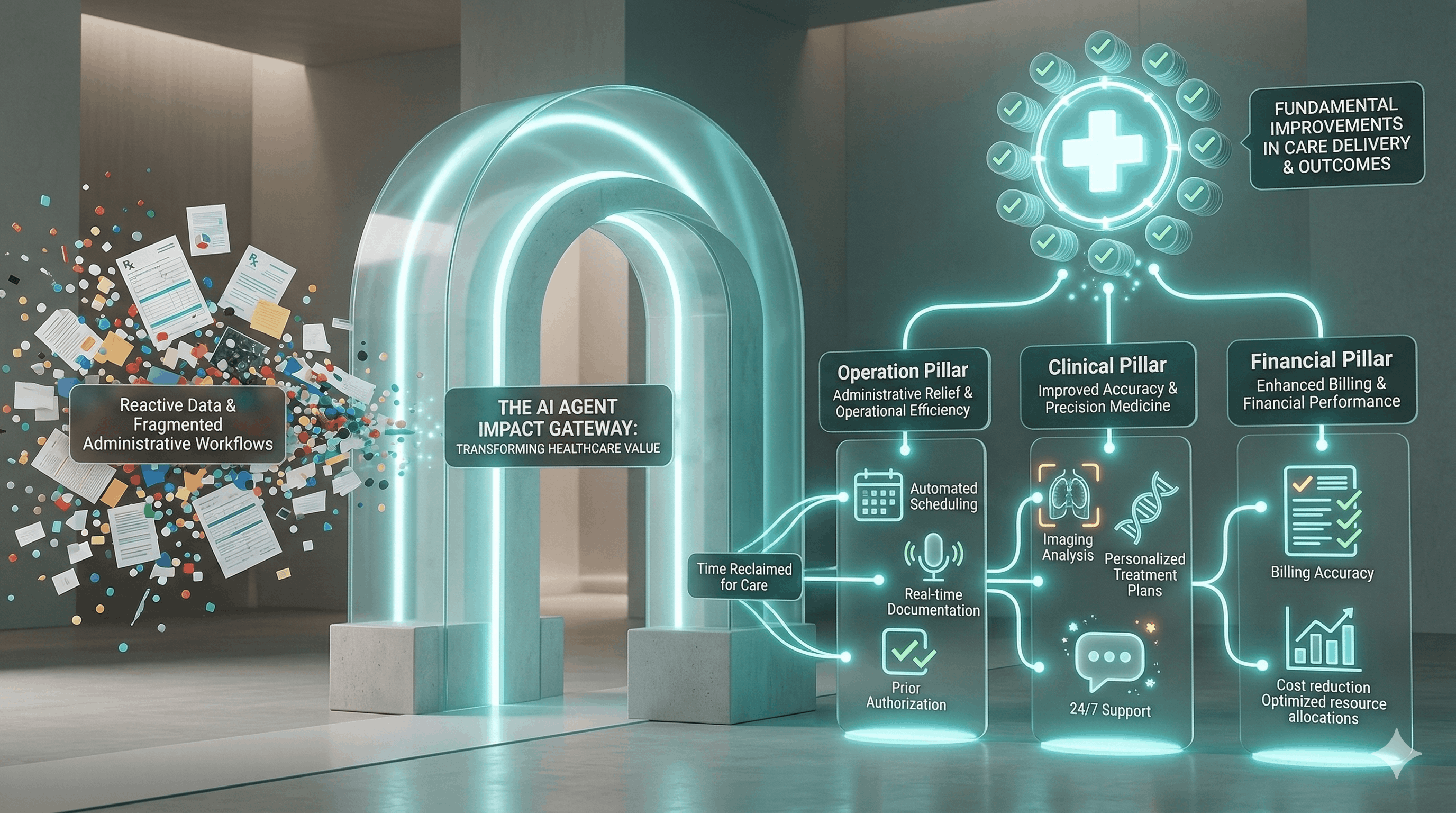
Healthcare organizations implementing AI agents report measurable improvements across clinical quality, operational efficiency, and financial performance. The benefits extend beyond simple task automation to fundamental improvements in how care is delivered and coordinated.
Reduced administrative burden and physician burnout
AI agents automate time-consuming tasks like clinical documentation, appointment scheduling, prior authorization requests, and billing workflows, freeing clinicians to focus on patient care rather than data entry. This directly addresses the burnout crisis affecting over half of physicians and reduces staff turnover in administrative roles where repetitive tasks create dissatisfaction.
Improved diagnostic accuracy and early disease detection
Agents analyze medical imaging, including X-rays, MRIs, CT scans, and mammograms, with accuracy that matches or exceeds human radiologists in detecting subtle patterns and anomalies. This enables earlier diagnosis of conditions like lung cancer, breast cancer, cardiovascular disease, and neurological disorders, where early intervention significantly improves patient outcomes and reduces treatment costs.
Cost reduction and operational efficiency
Healthcare organizations reduce operational costs through automated workflows that decrease manual errors, optimize resource allocation, and eliminate redundant testing. Agents identify when patients have already received imaging at another facility, flag duplicate orders before they’re processed, and route cases to appropriate specialists based on complexity—all actions that improve efficiency without compromising care quality.
Enhanced billing accuracy and revenue cycle management
Agents ensure treatment codes align with payer guidelines, verify insurance details before services are rendered, identify documentation gaps that could trigger denials, flag underpayments against contracted rates, and generate appeals with supporting evidence when necessary. This improves reimbursement accuracy and timeliness while reducing claim denials and revenue leakage that occur when coding or documentation doesn’t meet payer requirements.
Personalized treatment plans and precision medicine
By analyzing genetic profiles, lifestyle factors, medical history, biomarker data, and current research, agents can predict how individual patients will respond to different treatment options and recommend tailored interventions with fewer side effects. This shifts healthcare from trial-and-error approaches, where patients cycle through multiple medications, to data-driven, individualized care strategies that achieve better outcomes faster.
24/7 patient support and improved engagement
Virtual health assistants powered by AI agents provide round-the-clock symptom analysis, medication reminders, appointment scheduling, and health advice that reduces unnecessary emergency room visits. Real-time monitoring of patients with chronic conditions enables proactive interventions before situations become critical, improving outcomes while lowering overall care costs through prevention rather than acute treatment.
Common Use Cases of AI Agents in Healthcare
AI agents excel in applications that involve analyzing vast datasets, automating repetitive workflows, and enabling continuous learning from outcomes over time. Healthcare organizations are implementing agents across clinical, administrative, and operational functions.
Clinical Documentation and Ambient AI Scribes
Ambient AI scribes represent one of the most impactful early applications of healthcare AI agents. These systems listen to patient-physician conversations (with appropriate consent and privacy protections), automatically record and summarize discussions, extract key clinical information for EHR updates, and draft clinical notes that meet documentation requirements. The technology uses advanced natural language processing to distinguish between relevant clinical information and casual conversation, identify symptoms and their characteristics, and capture the clinical reasoning behind treatment decisions.
The primary benefit extends beyond time savings to improved patient-physician interaction quality. When physicians can maintain eye contact and engagement with patients rather than focusing on computer screens and typing, patients report higher satisfaction and better communication. Physicians appreciate returning home on time rather than spending evenings completing documentation. These systems also synthesize patient data, current symptoms, and latest research instantaneously to provide decision support that improves diagnostic accuracy and reduces errors caused by incomplete information or cognitive overload.
Diagnostic Support and Medical Imaging Analysis
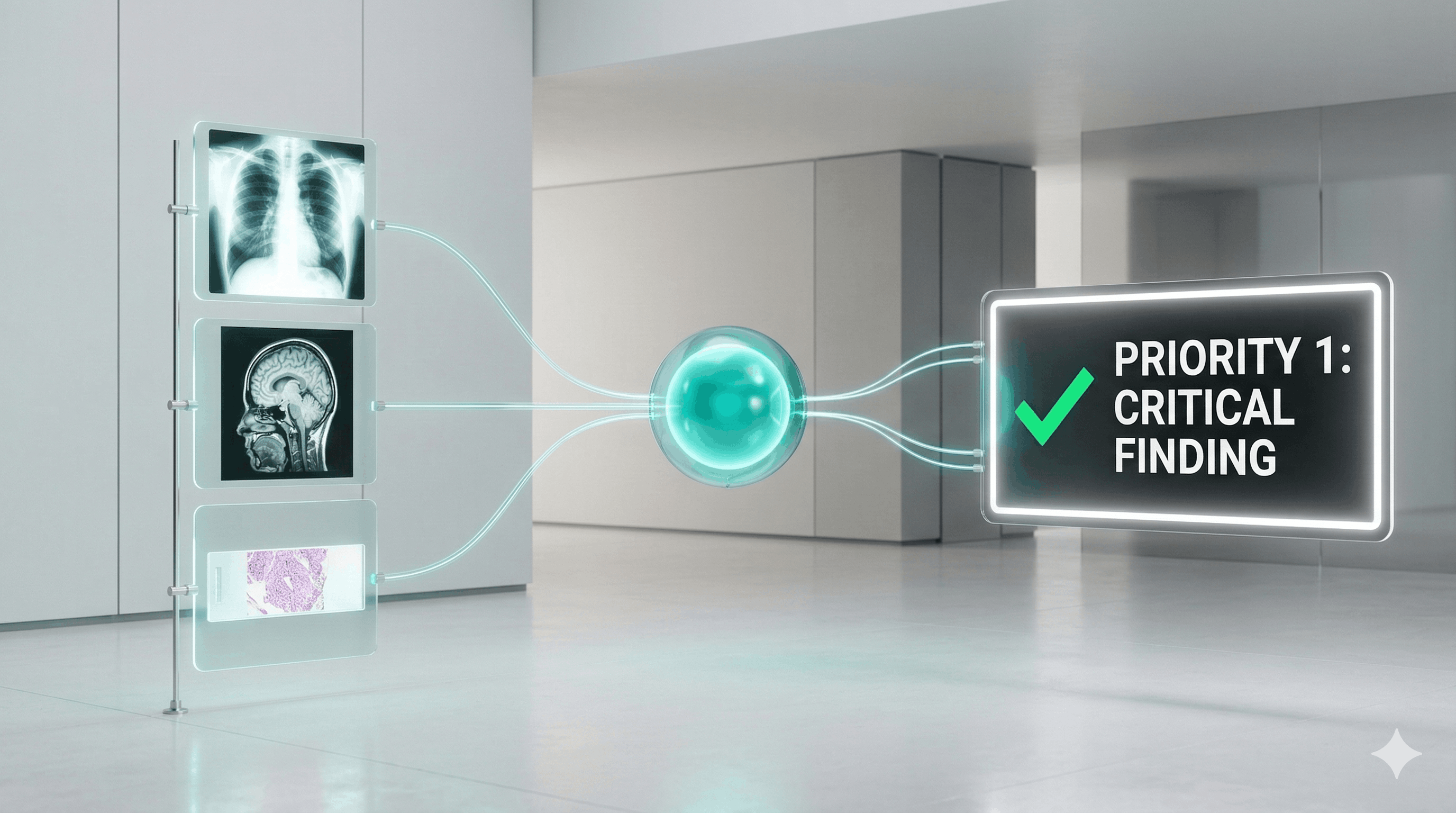
AI agents analyze complex medical images, including X-rays, MRIs, CT scans, mammograms, and pathology slides using deep learning algorithms trained on millions of annotated images. These systems detect patterns, anomalies, and early disease symptoms with accuracy that matches or exceeds human specialists in many contexts. In radiology, agents identify lung nodules that could indicate early-stage cancer, detect subtle brain changes that predict Alzheimer’s disease progression, and analyze cardiovascular imaging to assess heart disease risk and optimal treatment approaches.
The application extends beyond simple detection to prediction and prioritization. Imaging AI agents can predict which lung nodules are most likely to be malignant based on size, shape, location, and growth patterns, helping radiologists prioritize cases that need immediate attention. In pathology, agents analyze tissue samples to identify cancer cells, determine tumor grade and stage, and predict which patients will respond best to specific therapies. These capabilities improve diagnostic speed, reducing time from imaging to treatment initiation, while minimizing false positives that lead to unnecessary biopsies and false negatives that delay critical interventions.
Claims Processing and Prior Authorization Automation
The claims processing workflow involves complex coordination between provider and payer systems, making it an ideal application for multi-agent automation. Provider-side agents verify insurance details and coverage before services are rendered, identify appropriate billing codes based on documented procedures, review clinical notes for compliance with payer policies, and compile claims for clinician review before submission. These agents learn institutional coding patterns and payer-specific requirements, improving accuracy over time and reducing denials caused by coding errors or incomplete documentation.
Payer-side agents perform automated coding accuracy checks against established guidelines, verify that services align with contract terms and negotiated rates, retrieve relevant clinical documentation from provider systems, synthesize clinical necessity reviews based on medical policies and evidence-based guidelines, calculate appropriate reimbursement amounts, and generate 835 forms and Explanation of Benefits documents. When prior authorizations are required, agents on both sides coordinate to determine whether proposed treatments meet medical necessity criteria, dramatically reducing the manual back-and-forth that typically extends authorization timelines from days to weeks.
Perhaps most valuable, agents on both sides can identify underpayments where reimbursement falls below contracted rates, flag discrepancies between submitted claims and processed payments, and generate appeals with supporting clinical evidence when necessary. This automation ensures providers receive appropriate reimbursement while reducing the administrative burden that makes healthcare delivery expensive for all parties.
Virtual Health Assistants and Remote Patient Monitoring
Healthcare conversational AI agents provide 24/7 patient support through symptom analysis, medication adherence reminders, appointment scheduling, post-discharge follow-up, and general health guidance. These virtual assistants use natural language processing to understand patient questions expressed in everyday language, provide evidence-based responses tailored to individual health conditions, and escalate to human clinicians when situations require clinical judgment or urgent intervention.
The most sophisticated implementations integrate with wearables and IoT devices that continuously monitor vital signs, including heart rate, blood pressure, blood glucose levels, oxygen saturation, and physical activity. AI agents analyze this real-time data stream to detect concerning trends—such as gradually increasing blood pressure that could indicate medication adjustment needs or irregular heart rhythms that warrant cardiology consultation—and alert care teams before situations become critical. For patients with chronic conditions like diabetes, heart failure, or COPD, this continuous monitoring with intelligent intervention reduces hospital readmissions by catching deterioration early when outpatient treatment adjustments can prevent acute episodes.
Drug Discovery and Development Acceleration
AI agents are transforming pharmaceutical research by analyzing molecular structures, clinical trial outcomes, genomic data, and biological pathway interactions to identify promising drug candidates. Traditional drug discovery involves synthesizing thousands of compounds and testing them sequentially—a process that takes years and costs hundreds of millions of dollars. AI agents can simulate how candidate molecules will interact with target proteins, predict their behavior in the human body, identify potential side effects based on molecular structure, and prioritize the most promising compounds for laboratory testing.
This computational approach compresses drug development timelines from years to months by eliminating unsuccessful candidates before expensive clinical trials begin. Agents can also identify new therapeutic uses for existing drugs by analyzing their mechanisms of action against different disease pathways, potentially bringing treatments to market faster through repurposing rather than new molecule development. The cost reduction from fewer failed trials and more accurate prediction of drug efficacy, safety profiles, and optimal patient populations makes pharmaceutical research more efficient and may ultimately reduce medication costs for patients.

Give Your Team More Time for Patient Care with Vibe Bot
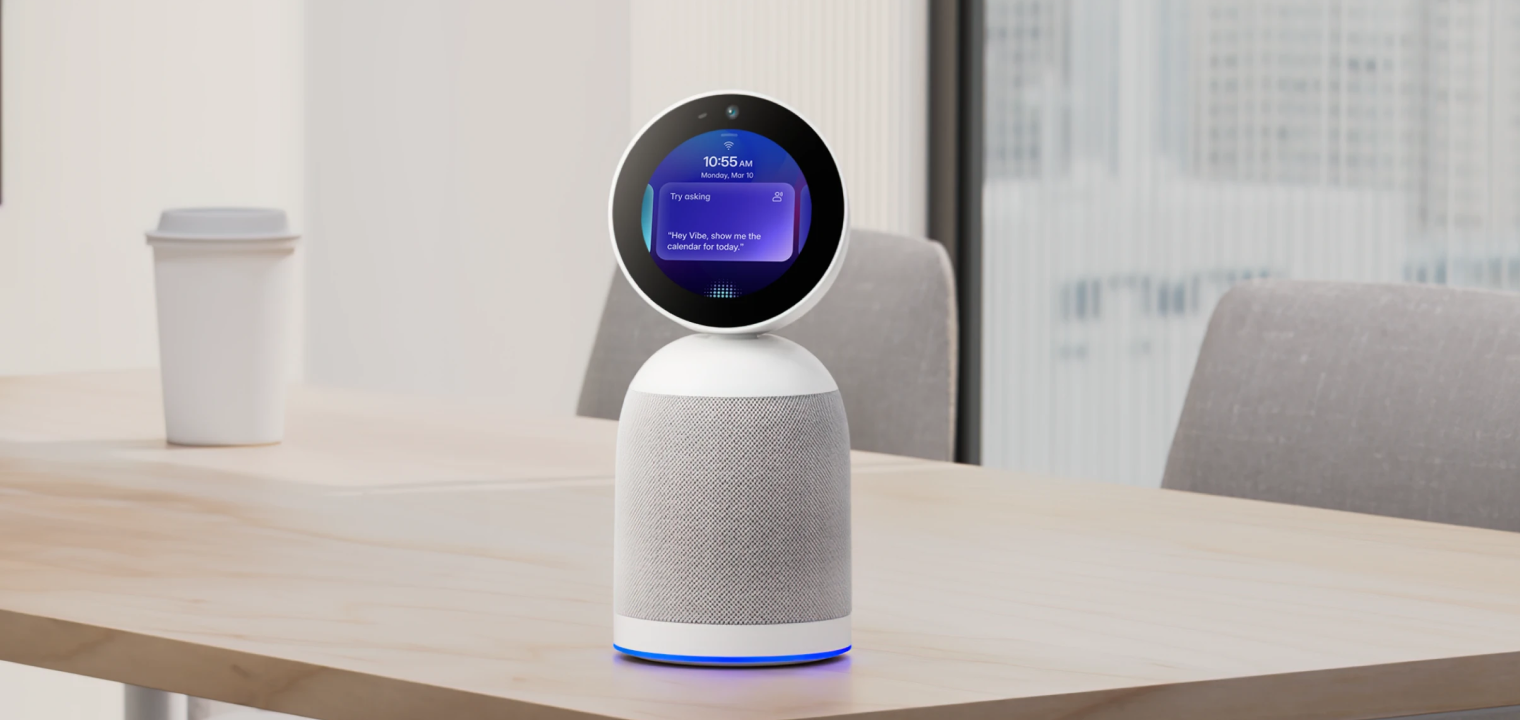
Healthcare teams implementing AI agents need a collaboration infrastructure that supports both in-person and remote work while maintaining the efficiency gains these technologies provide. Vibe Bot brings AI-powered meeting support specifically designed for healthcare environments where video conferencing and team communication have become essential to care coordination.
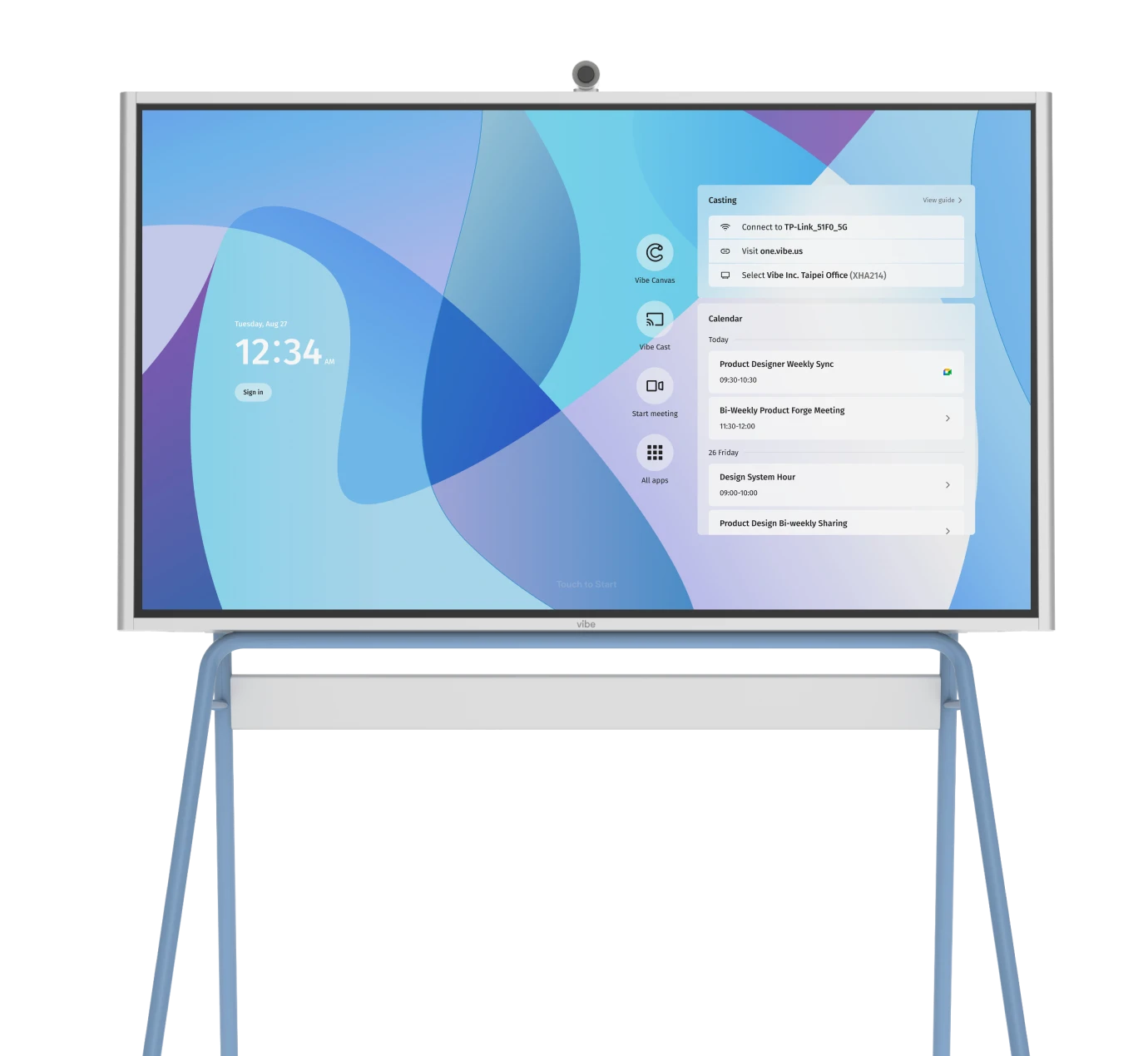
The device operates as a standalone system with a built-in OS—no computer needed—while optionally connecting to TVs, monitors, or smart whiteboards in conference rooms or telehealth spaces. It provides real-time transcription during meetings, generates AI-powered summaries highlighting key decisions and clinical insights, and automatically creates action items with assignees so nothing falls through the cracks during busy shifts. For healthcare organizations managing complex schedules and billing requirements, Vibe Bot automates timekeeping and note-taking with daily summaries that support accurate activity tracking and billing documentation.
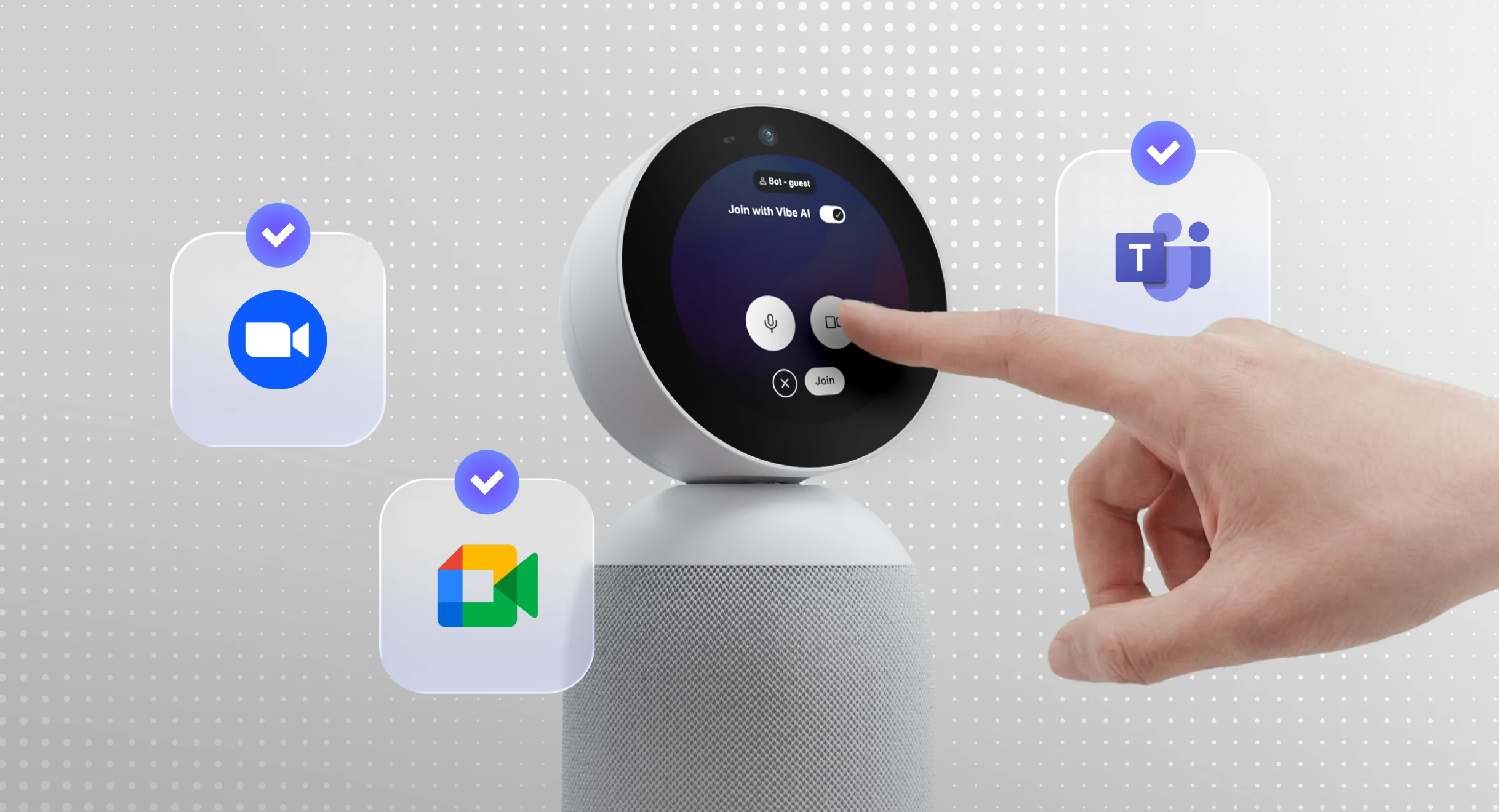
Voice commands offer quick, responsive control with strong microphone pickup that works even in larger spaces, while full integration with Zoom, Google Meet, and Microsoft Teams enables one-tap joining for hybrid meetings that connect remote specialists with on-site care teams. The easy setup is designed for in-room use, making it ideal for smart meeting rooms where high-performing teams coordinate patient care across multiple locations. By handling the administrative burden of meeting documentation, Vibe Bot gives healthcare teams the same time-saving benefits that AI agents provide in clinical workflows—more time focused on patients, less time on paperwork.
Ready to see how Vibe Bot enhances remote collaboration in healthcare settings? Request a demo and experience firsthand how AI-powered meeting support complements your clinical AI agent implementations.
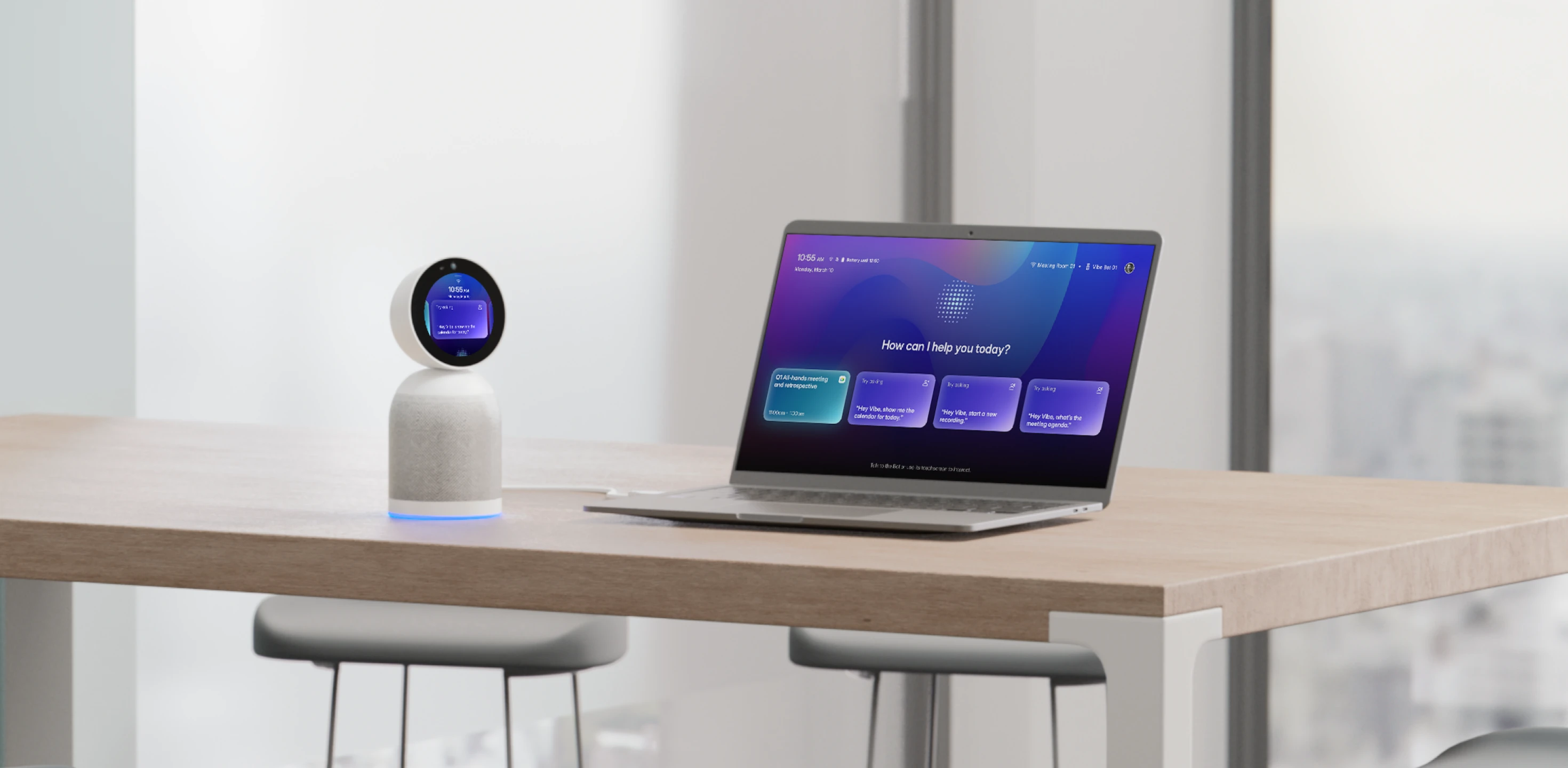 Vibe Bot, an all-in-one decive which brings AI-powered meeting support specifically
AI Agents in Healthcare FAQs
How is AI being used in healthcare?
AI is being used across clinical and administrative functions, including diagnostic imaging analysis, clinical documentation automation, personalized treatment planning, drug discovery, claims processing, and remote patient monitoring. These applications range from assisting physicians with decision-making to fully automating repetitive workflows like appointment scheduling and billing.
Is using AI in healthcare ethical?
Using AI in healthcare raises important ethical considerations around patient privacy, algorithmic bias, accountability for errors, and informed consent. Ethical implementation requires transparency about when AI is being used, human oversight for high-stakes decisions, ongoing monitoring for bias that could create health disparities, and clear accountability frameworks when AI contributes to adverse outcomes.
What are the risks of using AI agents in healthcare?
Key risks include diagnostic errors from biased or incomplete training data, privacy breaches if patient information isn’t properly secured, over-reliance on automation that reduces clinical judgment, and liability questions when AI recommendations lead to poor outcomes. Effective risk management requires robust testing, human oversight, cybersecurity measures, and clear governance policies.
What is the difference between AI assistants and AI agents in healthcare?
AI assistants respond to specific prompts but require human direction for each step, while AI agents autonomously execute multi-step workflows from start to finish with minimal intervention. An assistant might answer a question about drug interactions when asked; an agent monitors patient medications continuously, detects potential interactions, alerts prescribers, and suggests alternatives without being prompted.
What are the challenges in implementing AI agents for healthcare?
Major implementation challenges include integrating with legacy EHR systems, ensuring HIPAA compliance and data security, training staff to work effectively with AI tools, managing change resistance from clinicians concerned about automation, and establishing governance frameworks that define appropriate oversight. Organizations must also address the substantial upfront investment in technology infrastructure and ongoing costs for maintenance and updates.