

Picture yourself leading a meeting from your home office while teammates join from different continents — yet it feels like everyone is sitting at the same table. When 80% of employees rely on video-conferencing tools for one-on-one calls and 77% use them for team meetings, it’s clear just how central virtual communication has become. What started as simple webcam calls has evolved into immersive spaces with shared digital whiteboards, smart cameras, and spatial audio.
As hybrid work accelerates global collaboration, the push for human-centered communication keeps growing. In this guide, we’ll explore the innovations reshaping remote work, improving connection quality, and expanding what’s possible in remote collaboration.
- AI, immersive environments, and next-generation hardware are redefining what virtual collaboration feels like.
- Integrated, cross-platform tools make meetings smoother and more connected across teams and devices.
- Hybrid work demands technology that supports inclusivity and lifelike communication.
9 Technology Trends Innovations Changing Video Conferencing in 2025
Video conferencing is evolving faster than ever to be more intuitive and natural. This is the new technology in video conferencing to keep an eye on as you embrace hybrid and remote work environments.
1. Trend: AI-Powered Enhancements
AI is keeping virtual meetings focused on productive conversations by handling the repetitive tasks that usually slow teams down. Instead of juggling notes or digging for follow-ups, AI tools can capture key points, organize decisions, and deliver clean summaries right after the call. Live transcription and translation make global conversations easier, and smart framing or noise reduction helps everyone come through clearly.
Platforms like Zoom IQ or Microsoft Copilot turn your meeting into a clear record of what was said — and what needs to happen next. These upgrades shine in global, multilingual, or fast-moving team discussions.
2. Trend: Immersive Environments (AR/VR/3D/Holographic)
Immersive meeting spaces are closing the gap between digital and in-person collaboration by making video calls feel physically present. Instead of staring at flat tiles, AR and VR tools create shared 3D rooms where teams can brainstorm, review designs, or walk through ideas together. Light-field and holographic displays take it even further with life-size visuals that capture subtle gestures and facial expressions.
Google’s Project Starline is one example — it uses advanced imaging to render a person as if they’re sitting right across from you. These environments are especially powerful for design-heavy teams, training sessions, and simulations, or client sessions where visuals matter most, and they pair naturally with any modern virtual office setup.

3. Technology: Enhanced Audio and Visual Quality
The latest video conferencing tools are raising the bar on clarity, making virtual conversations feel closer to real life. Ultra-HD video, smarter lighting adjustments, and richer color balance help faces look natural instead of washed out or shadowed. Multi-mic arrays cut down on background noise, while newer 5G and Wi-Fi 7 networks keep voices and motion in sync.
Smart cameras like the Logitech Rally Bar automatically adjust framing so everyone stays visible without constant fiddling. These upgrades shine in client demos, polished presentations, or any meeting where clear communication strengthens team communication.
4. Trend: Stronger Security & Privacy
With so much sensitive information shared on calls, modern platforms are strengthening security to protect what teams discuss. End-to-end encryption, SSO access, and multi-factor authentication now come built-in, reducing the risk of unauthorized access. Many tools also use AI to flag unusual activity or detect potential threats before they escalate.
Services like Cisco Webex and Microsoft Teams pair compliance features with real-time monitoring to support industries with strict privacy needs. These upgrades matter most for legal, finance, healthcare, or executive meetings where conversations can’t afford vulnerabilities.

5. Trend: Seamless Cross-Platform Integration
Workflows feel smoother when meetings connect effortlessly to the apps your team already uses. New conferencing tools integrate directly with calendars, project platforms, and chat systems so you can join or share a call without juggling tabs. Compatibility across desktop, mobile, and room systems keeps everyone in sync, no matter where they’re joining from.
Platforms like Zoom, Teams, and Meet now embed inside major productivity suites, creating one continuous workspace. These integrations strengthen collaboration for hybrid teams that rely on multiple tools — especially when paired with modern collaboration software.
6. Trend: Sustainability-Focused Technology
Sustainability is starting to shape how organizations choose and use video conferencing tools. Energy-efficient devices, cloud-based meeting systems, and eco-friendly hardware help companies shrink their environmental footprint while still supporting global teamwork.
Research shows virtual events can cut carbon output by more than 90%, making online collaboration a meaningful alternative to travel. Some platforms even offer AI features that track emissions tied to meeting frequency or travel replacement. These innovations align naturally with companies building a greener strategy into their smart workplaces.
7. Technology: Sound Systems and Multi-Camera Rooms
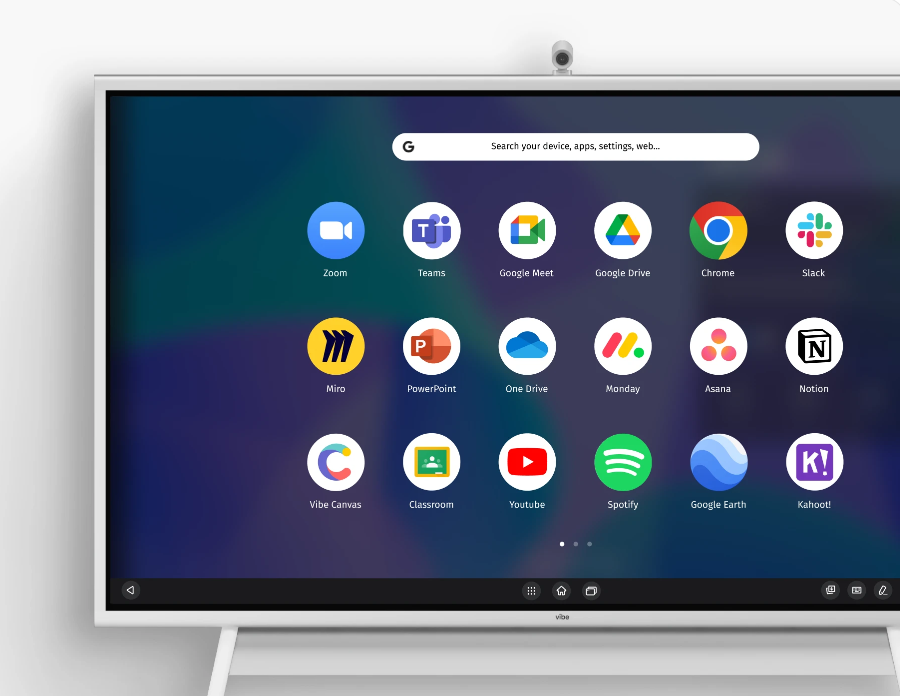
Meeting rooms are moving toward all-in-one systems that simplify setup and create a consistent experience for every call. Instead of patching together separate speakers, cameras, and microphones, unified devices bundle everything into a single, easy-to-manage unit. Many include automatic speaker tracking, intelligent framing, and plug-and-play installation, which helps IT teams deploy them quickly.
Solutions like Owllabs, Poly Studio X, or Logitech Rally Bar deliver professional audio and video without extra components. They’re extra effective for companies standardizing their smart meeting room setups across multiple offices and want to prioritize simplicity and scalability.
8. Trend: Hybrid Meeting Equity
The next wave of hybrid work focuses on giving in-room and remote participants the same visibility and voice. Smart cameras can highlight each speaker automatically, while shared digital whiteboards and co-editing tools keep everyone working from the same canvas. Modern room layouts also support remote-first collaboration by balancing sightlines and sound.
Platforms like Zoom Intelligent Director and Microsoft Teams Rooms use multiple cameras and directional audio to make remote teammates feel fully present. These setups help teams create a more inclusive, connected environment across any remote collaboration tools they use.

9. Trend: Real-Time Meeting Analytics
Video conferencing platforms now offer built-in analytics that help teams understand how meetings are actually working. Participation dashboards highlight who’s contributing, while engagement metrics reveal when conversations start to stall. Post-meeting summaries break down key moments and decisions so action items don’t get lost, too.
Tools like Microsoft Teams and Zoom Rooms use these insights to help managers refine meeting structure and support more equitable participation. This trend is best for event coordinating or organizations tracking productivity or improving long-term online collaboration habits.
How to Choose New Video Conferencing Solutions
When you’re evaluating the latest video conferencing technology, look for tools that support smooth workflows and fit naturally into how your team already collaborates.
-
Compatibility: Works across devices and integrates with calendars, project platforms, and chat tools — a must for any modern collaborative workspace.
-
User experience: Simple interfaces that reduce friction for every participant.
-
Quality: HD or 4K video, adaptive audio, and low-latency performance.
-
Security & compliance: Encryption, MFA, access controls, and reliable identity management.
-
Scalability: Fits huddle rooms, hybrid teams, and full enterprise deployments.
-
Cost & ROI: Balances subscription costs with time savings, travel reductions, and sustainability gains.
-
Sustainability: Energy-efficient hardware and cloud-based tools that minimize impact.
-
Future readiness: Support for AI, immersive AR/VR, or holographic collaboration as your needs evolve.
-
Support ecosystem: Dependable vendor support, frequent updates, and clear onboarding, which is key for strong collaborative decision making.
Vibe Board S1: Connecting Innovation to Real-World Collaboration
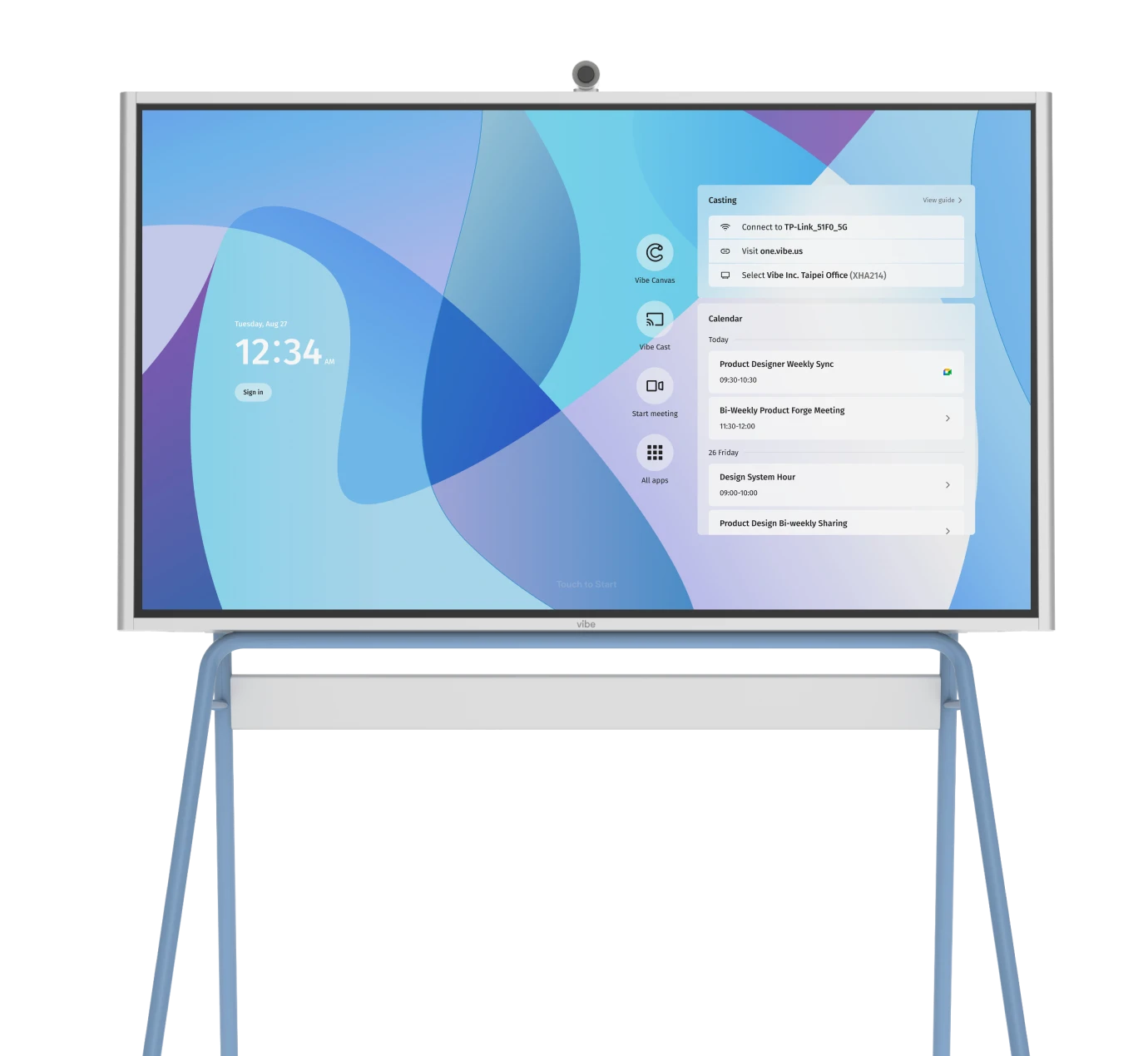
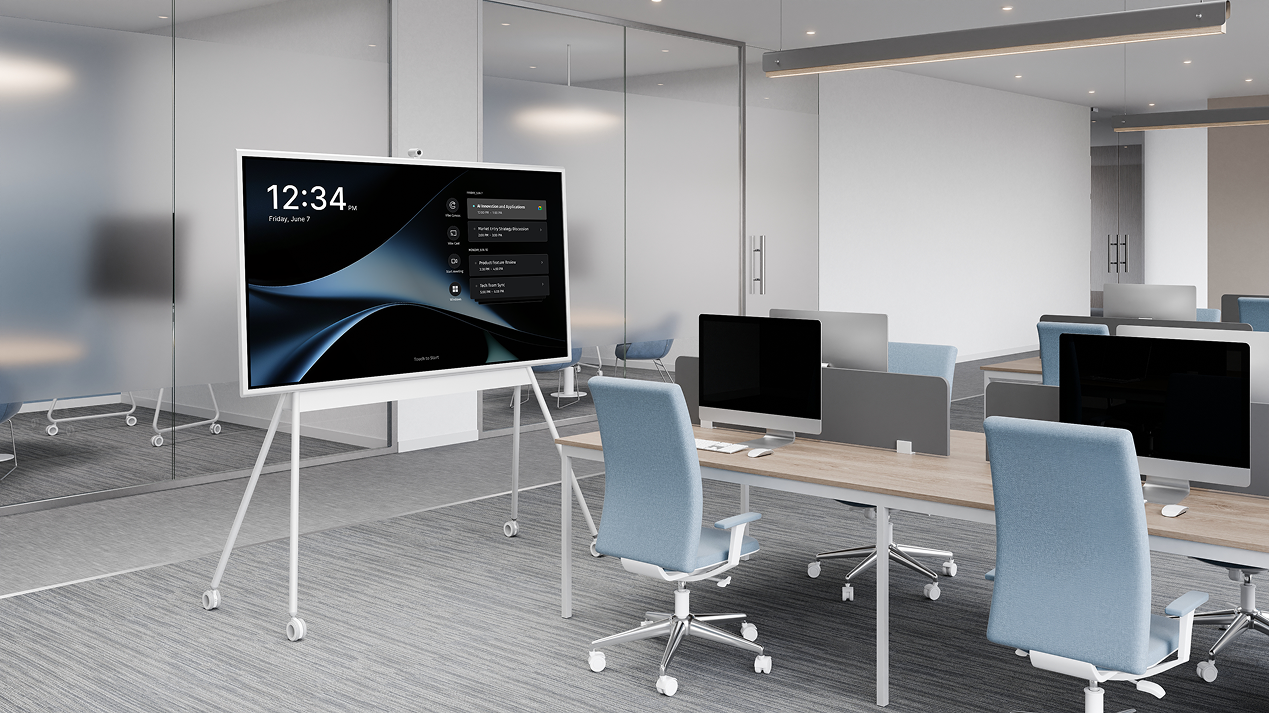
The newest video conferencing trends only reach their full potential when teams have tools that bring them to life. Vibe Board S1 does exactly that — combining an AI-powered 4K camera, omnidirectional mics, and an all-in-one collaboration space that feels natural the moment you walk into the room.
Teams can brainstorm, present, and co-create in real time, all from a single device that integrates with 250+ apps and every major meeting platform. It’s the kind of tech that helps hybrid work feel effortless and a part of your everyday workflow.
See how the right smart board for office setups can elevate your team’s everyday communication, and request a demo when you’re ready.
FAQ
What is the future of video conferencing?
Video conferencing is moving toward more immersive experiences with AR, VR, holography, and smarter AI features. Expect lifelike presence, stronger hybrid equity, and tools that personalize each meeting automatically.
What technology is used for video conferencing?
Today’s platforms rely on high-speed networks, cloud infrastructure, secure encryption, and AI-driven features like framing, translation, and noise reduction. Together, they support smooth, accessible communication across devices.
Is there a better option than Zoom?
The best option depends on your needs—security, integrations, or AI features. Many teams pair their preferred app with hardware like Vibe Board S1 to create a more cohesive, flexible meeting ecosystem, no matter your preferred applications.
What is the newest digital technology in video conferencing?
Holographic displays, AR/VR environments, AI avatars, and near-instant translation are leading the latest innovations. Faster 5G and early 6G networks also make high-fidelity streaming more accessible.
How can companies ensure remote participants feel included?
Use AI-driven cameras, shared digital whiteboards, and inclusive facilitation habits that invite remote input. Balanced framing and clear engagement cues help every participant feel present and heard.


-1sbltxxq4FYxHrXrwJVLsCDNsXpqNa.webp)
-5Zp0pmSytvcuYDVs1LvuwplKuRneK0.webp)