

Waiting rooms aren’t the only hotspots for healthcare providers anymore. Now, virtual dashboards are just as active, where clinicians review charts, consult patients, and collaborate with specialists from multiple locations at once. In fact, in 2024, 63.2% of physicians’ practices reported using videoconferencing for patient visits—it was only 14.3% in 2018.
Video conferencing gives patients and providers a secure way to connect in real time. It’s a core part of telehealth and telemedicine systems, especially as we become more and more digital in industries across the world. We’ll explore how video conferencing transforms healthcare accessibility, chronic care management, and collaboration—plus much more.
- Video conferencing in healthcare is improving access to care by reducing travel, shortening wait times, and giving patients more consistent touchpoints with their providers.
- Clinicians benefit from streamlined collaboration and reduced administrative delays.
- Telehealth works best when platforms integrate cleanly with EHRs, encryption standards, and low-bandwidth environments.
- Adoption stalls when tech feels confusing, policies vary, or connectivity is unreliable.
- Integrated audio, video, annotation, and AI will shape the next wave of patient-centered care.
The Growing Need for Video Conferencing in Healthcare
The 2020 pandemic may have jump-started telehealth adoption, but long-term integration now signals structural change in healthcare delivery. Remote healthcare delivery expands access for rural, elderly, or mobility-limited populations as well. Other factors include:
-
Physician shortages and rising caseloads have increased the demand for remote clinical support.
-
Patients have become more comfortable with virtual care and now expect flexible access options.
-
Hybrid care models make it easier to manage chronic conditions without increasing clinic traffic.
-
Health systems are investing in virtual infrastructure to reduce wait times and streamline follow-up care.

Benefits of Video Conferencing for Patients and Providers
When communication happens more easily, both patients and clinicians gain more ways to stay connected, share information, and keep treatment plans on track.
1. Improved Accessibility and Convenience
The right video conferencing makes the distance between patients and providers a thing of the past. It can also help solve a lot of scheduling barriers. Both of these benefits make healthcare more inclusive and accessible, which is especially valuable for patients in rural areas or those with chronic mobility issues. Consider those who need remote therapy— using conferencing software allows these homebound patients to maintain consistent mental health care.
2. Cost and Time Efficiency
The use of telehealth is associated with an average cost savings of $147–$186 per visit in patient travel and lost time costs. Plus, telehealth can help save hours of commuting and reduce provider overhead as well. For patients who need ongoing monitoring, video platforms make it easier to share daily vitals and receive timely feedback. Everyone benefits when technology is used correctly.
3. Enhanced Chronic Care Management
Let’s say you have a patient or a group of patients who require enhanced chronic care management. Leveraging the right video conferencing software, you could have those patients share daily vitals and could give them real-time feedback and medication adjustments.
That’s what video conferencing software in healthcare allows you to do. It provides continuous monitoring for conditions such as diabetes, COPD, and hypertension by combining wearable data, connected apps, and virtual consultations for proactive intervention.
4. Professional Collaboration and Training
Sometimes patients benefit from seeing annotated imaging. It helps them visualize their condition and better understand the care doctors are trying to provide. Sometimes doctors also have to annotate scans so that others can see the minute details that they’re looking at. A good conferencing software platform can help facilitate specialist collaboration like this across hospitals or regions in real time.

Core Applications of Video Conferencing in Healthcare
Video conferencing supports a wide range of clinical needs, from quick check-ins to specialized consultations. Here’s where it’s especially useful.
Primary Care
A lot of primary care tasks can be done remotely. Tasks like routine exams, prescription refills, and check-ins can all be done more quickly and often more efficiently for both parties than they can in person.
Mental Health
One of the most common spaces to see remote video conferencing in healthcare is the mental health space. Online therapy and counseling remain some of the top telehealth applications to date. Whenever minimum physical contact is required, conferencing software thrives.
Chronic Disease Management
Many long-term patients with chronic disease aren’t developing new symptoms. They’re simply in need of tracking their current condition and progress reviews to discuss treatment and management. These kinds of remote appointments work wonderfully for doctors and patients alike because they prevent unnecessary travel and help the meeting start and wrap faster than in person for both parties.
Post-Operative Care
When you simply need to check up on how a post-op patient is feeling, video visits allow for the recovery monitoring your patient needs without the travel that they don’t. Say a patient required surgery for a broken ankle. Rather than disrupting their recovery by making them walk on their injury, a telehealth appointment is much easier and safer to go over follow-up questions and instructions.
Specialist Consultations
Sometimes, a patient just needs access to someone who can give them medical advice. They may have already had an appointment or completed tests and simply need to talk to an expert for their next steps. Video conferencing allows those who are in need of healthcare to get it and makes rapid access to experts possible, regardless of geography.

The Technology That Makes It Possible
Roughly 88% of physician offices used video telemedicine by 2021, which is double the amount used before the pandemic. However, many don’t realize the technical infrastructure that goes into making healthcare-based video conferencing software work.
Technical infrastructure like broadband access, HIPAA-compliant video conferencing tools and platforms, secure encryption, and integration with a variety of EHR systems. Every one of these features plays a role in making video conferencing technology a viable possibility in the healthcare industry.
The future of this technology looks even more promising. New technology in video conferencing, including AI features such as transcription, translation, and data-driven triage, will continue to enhance care efficiency. For example, right now, medical professionals can use AI-assisted note-taking to reduce administrative work and improve documentation accuracy.
6 Platforms Enabling Video Conferencing in Healthcare
Choosing the right telehealth option is one of the best ways to keep your patient data secure and HIPAA compliant. The right one for you will also help you maintain a reliable workflow integration. Here are some platforms to consider as you learn more about the best healthcare video conferencing solutions.
|
Platform |
Key Features & Notes |
|
HIPAA-compliant when configured correctly with a signed Business Associate Agreement (BAA). Offers multi-party video sessions, recording controls, and optional EHR integrations through add-ons. The free version of Zoom does not meet HIPAA requirements. | |
|
Browser-based platform requiring no downloads; strong encryption and simple patient access. Offers free and paid tiers but limited advanced integrations. Works well for one-on-one consultations. | |
|
Secure video conferencing platform that supports EHR integration and can be optimized for low-bandwidth conditions. Remote diagnostic tools are available in specific configurations. Frequently used in rural telemedicine. | |
|
HIPAA-compliant, cloud-based platform built specifically for healthcare with customizable waiting rooms, scheduling, and BAAs included in all plans. | |
|
Known for reliable performance in low-bandwidth environments. Offers scalable enterprise deployment and optional EHR integration modules. | |
|
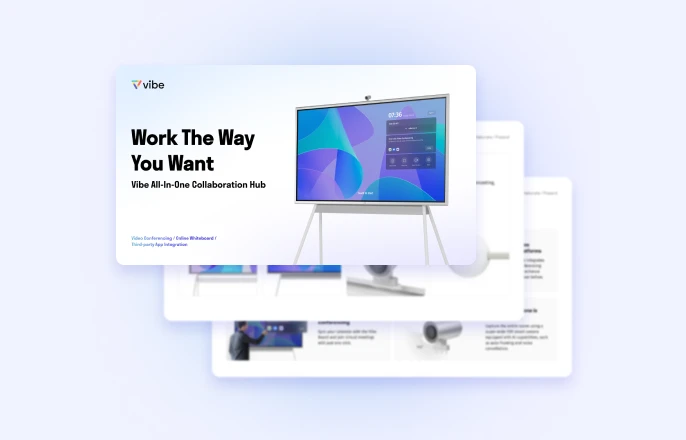
Collaborative hardware and software system for hybrid healthcare environments. Enables real-time annotation, content sharing, and integration with conferencing apps (e.g., Zoom, Teams). Best for in-room or hybrid team collaboration, not direct patient consultations. |
-
Note: "HIPAA-compliant" status requires proper use, configuration, signed BAAs, and staff training. Healthcare organizations should verify platform settings, licensing, and EHR compatibility before deployment of HIPAA-compliant video conferencing.
Common Challenges and Barriers to Adoption
Even with strong demand, telehealth adoption comes with hurdles. Connectivity issues, training gaps, and varying policies can slow progress. These are the challenges organizations navigate most often.
1. Technology Infrastructure Limitations
Internet access is not the same for all people in all places. For example, limited broadband in rural or low-income regions hinders reliable video calls, making telehealth efforts in those areas especially challenging, even though it can be just as challenging for them to make it to an in-person medical appointment.
In some areas, clinics have to use portable 5G routers to maintain stable telehealth connections. Expanding broadband access and using low-bandwidth telehealth platforms can help bridge these gaps.
2. Privacy and Data Security Concerns
Cyberattacks and patient-data breaches remain major threats in the healthcare industry. In fact, healthcare had the highest average breach cost in 2023. Because of this, providers must use encrypted, HIPAA-compliant systems with secure login protocols. Using end-to-end encryption and multi-factor authentication can help greatly improve a provider’s data security as well.
3. Very Limited Physical Examination
Despite the value of telehealth, some diagnoses require a tactile assessment that video cannot replicate. You can’t get rid of all in-person medical appointments—but you can adopt hybrid care models that combine virtual consults with scheduled in-person visits.
Virtual appointments are great for follow-ups, medication refills, stable chronic care, minor illnesses, mental health, nutrition, and simple dermatology reviews. While in-person appointments are necessary for anything having to do with chest pain, stroke signs, severe shortness of breath, significant new/worsening pain, injuries, physical exams, labs/imaging, vaccines, procedures. In most cases, however, you can usually start virtual, escalate to in-person if red flags or exam or testing needs arise.

4. Digital Literacy and Accessibility
Older adults and patients with limited tech familiarity may struggle with a video conferencing setup. In cases like these, it may be worth offering a pre-digital-visit tutorial to show patients how to leverage the technology in future remote appointments. It’s just as important to train patient-support staff to help patients improve adoption.
Providing simple setup guides or live tech support may also be a helpful option. That’s why it’s also best to make the training and the tech as simple as possible so that everyone can succeed.
5. Reimbursement and Policy Complexity
State regulations can differ wildly, and many states are still updating telehealth coverage policies for patients and providers. Providers should regularly check payer policies to make sure they practice proper reimbursement. Leveraging billing tools that track state and payer telehealth rules can help make managing these changing regulations a little more manageable.
The Future of Healthcare
While many providers find video conferencing technology new and exciting, the future of this technology is already on its way. The next generation of smart workspaces and telehealth will combine video, data visualization, and real-time online collaboration tools into unified systems, allowing for simple, seamless patient care.
In some ways, that future is already here. For example, many clinicians co-annotate radiology scans on shared smart displays during live sessions to improve decision-making for patients. Hospitals that invest in interoperable platforms will be able to improve both efficiency and care quality while reducing clinician burnout.

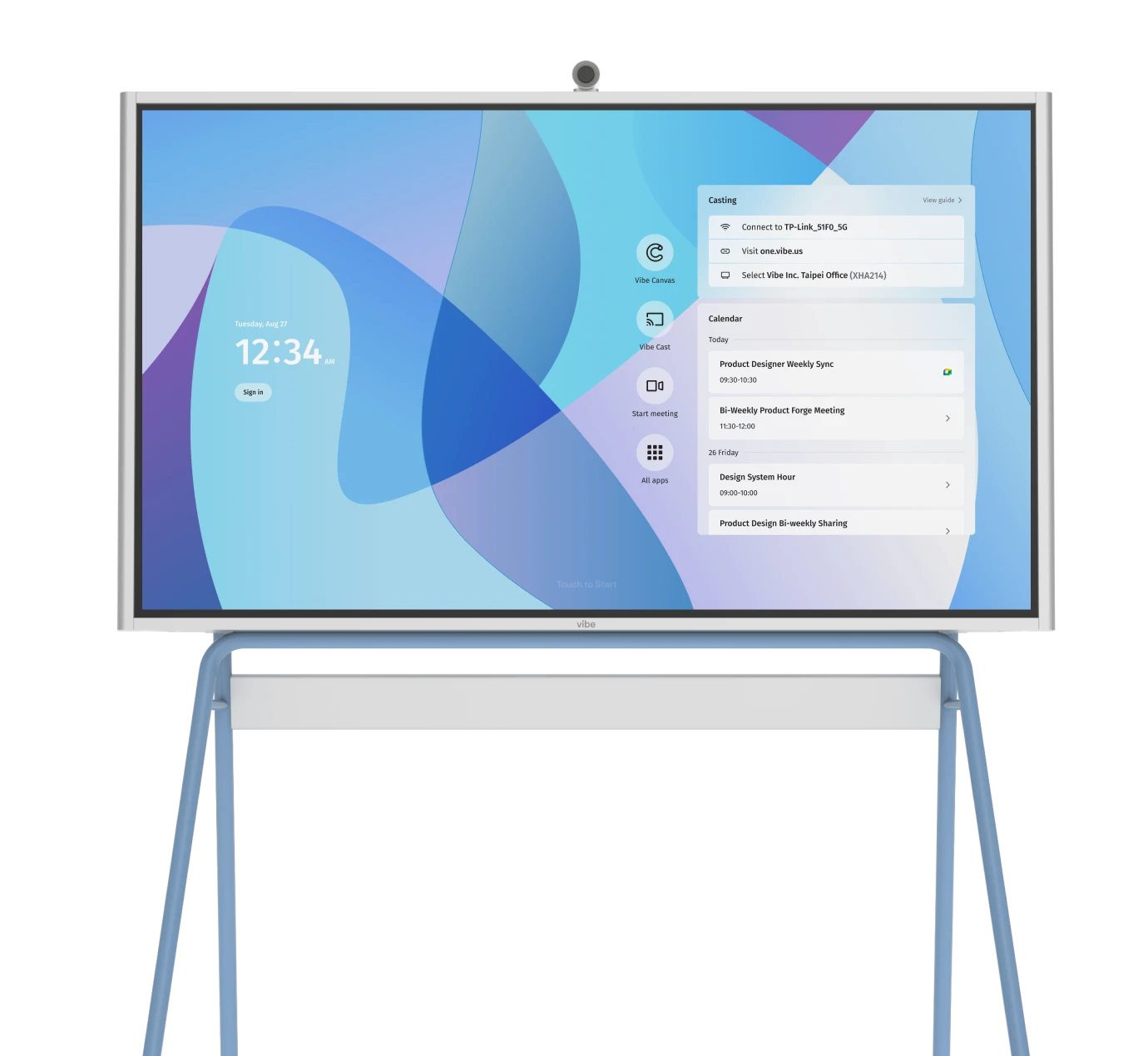
Vibe Board S1: Empowering healthcare collaboration
As healthcare grows increasingly hybrid, seamless visualization and real-time collaboration have become essential for effective care delivery. Remote and hybrid care only works when teams can share information clearly, which is where Vibe can help.
Vibe Smart Whiteboard is the all-in-one conferencing and remote collaboration tool for healthcare that includes settings such as:
-
Integrates with Zoom, Teams, and EHR dashboards
-
4K display with multi-touch annotation for detailed discussion
-
Cloud-connected and portable—ideal for hospitals, clinics, and classrooms
Request a demo to learn more about Vibe for healthcare today.
Video Conferencing in Healthcare FAQs
What video conferencing platforms are HIPAA-compliant?
Zoom for Healthcare, Doxy.me, and VSee provide encrypted, access-controlled systems that meet HIPAA standards.
What is medical video conferencing?
Medical video conferencing is a secure, real-time connection between clinicians and patients that supports diagnosis, treatment, and follow-up conversations.
What are the four types of telehealth?
The four types of telehealth are live video (synchronous), store-and-forward (asynchronous), remote patient monitoring, and mobile health (mHealth).
How does video conferencing support chronic-care management?
Video conferencing supports chronic-care management by enabling consistent virtual check-ins, remote monitoring, and timely clinical intervention for conditions such as heart disease and diabetes.