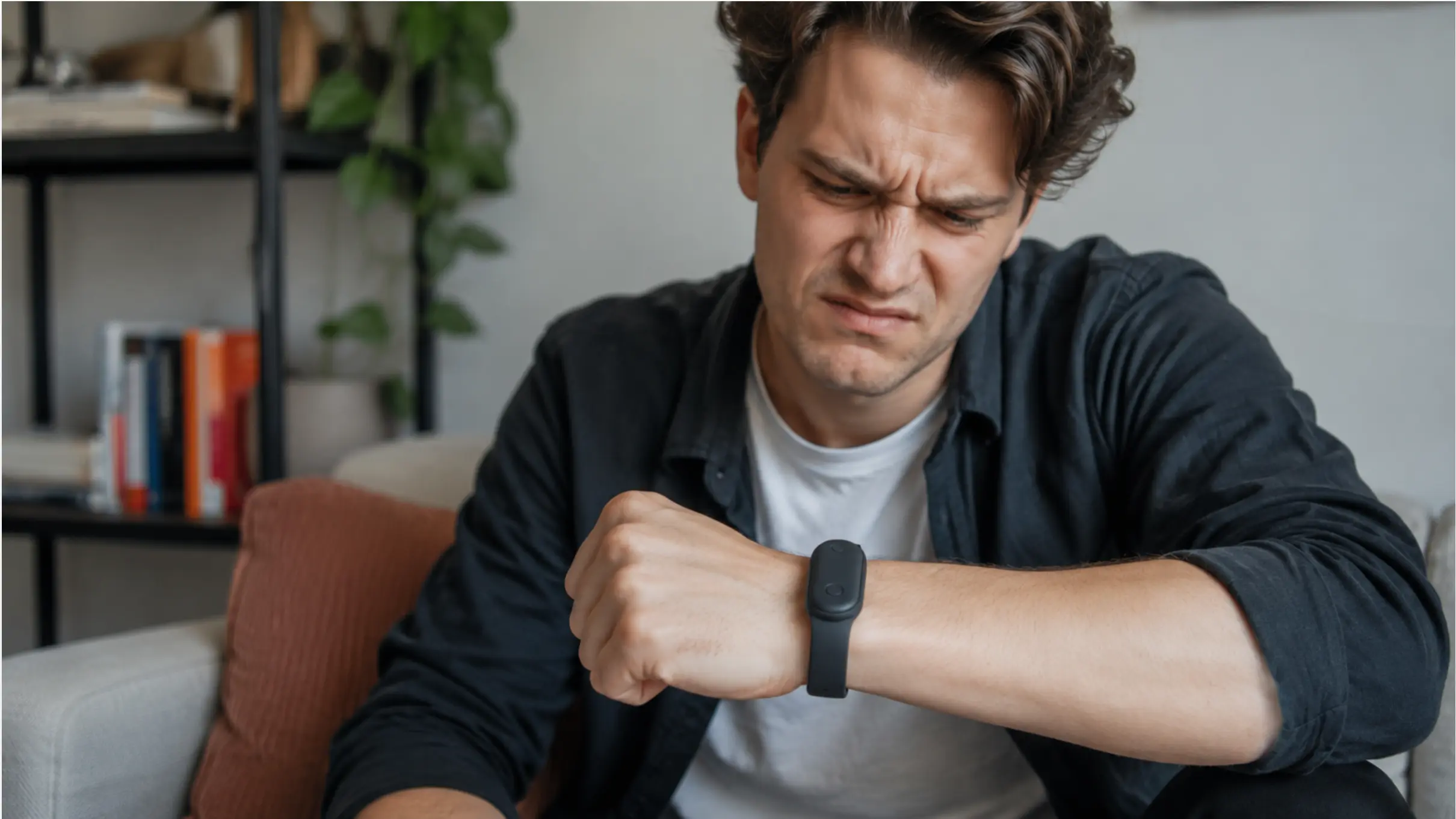

Bee Pioneer is built for personal use — a wearable that captures your day, your conversations, your life. Vibe Dot is built for work — a professional AI recorder designed for meetings, compliance, and cross-session memory that follows you across every tool you use.
The price reflects that difference. Bee Pioneer Edition costs $49.99. Vibe Dot costs $199. But the $150 gap isn’t really about price — it’s about what you’re buying it to do.
This comparison breaks down how Vibe Dot and Bee Pioneer differ across the dimensions that matter most for professional use: hardware, audio capture, AI features, privacy, compliance, and total cost of ownership. If Bee Pioneer is enough for your workflow, we’ll tell you. If it isn’t, we’ll explain exactly where it falls short.
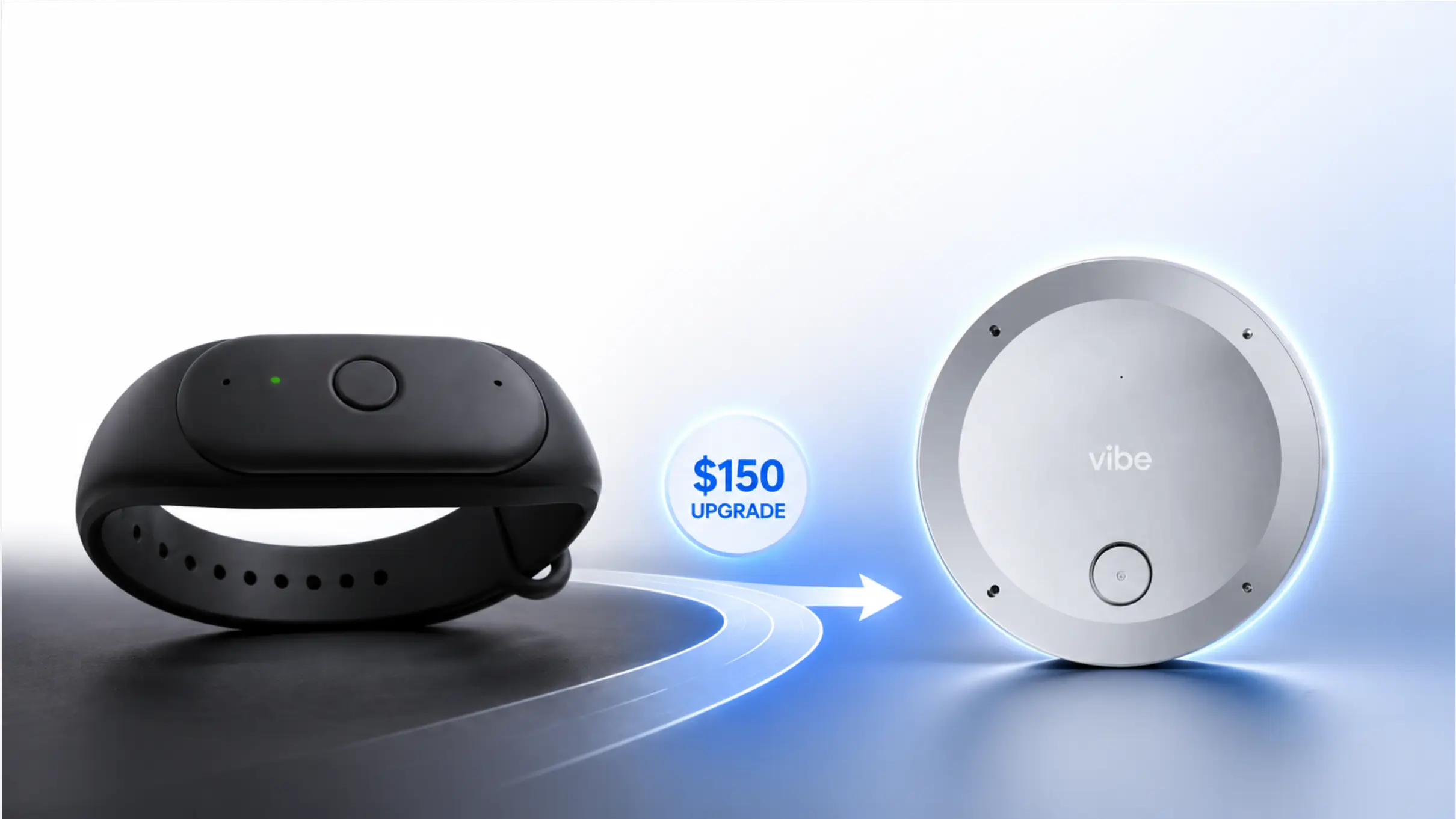 The $150 Upgrade From Bee Pioneer — And Why Most Professionals Make It
Quick Answer: Vibe Dot vs. Bee Pioneer at a Glance
|
Vibe Dot |
Bee Pioneer Edition | |
|---|---|---|
|
Price |
$199 (reg. $249) |
$49.99 |
|
Form factor |
Clip-on / MagSafe snap |
Wristband or clip |
|
Microphones |
5-mic array (4 MEMS + 1 VPU) |
Dual mic |
|
Mic range |
Conference room coverage |
2–3 meters |
|
Raw audio stored |
✅ 64GB onboard |
❌ Deleted after transcription |
|
Battery |
30+ hours continuous |
~2 days active (claimed 7 days) |
|
Phone battery drain |
❌ None |
✅ Yes — offloads processing via Bluetooth |
|
Recording modes |
3 modes: Spark, Tap to Record, Auto Capture |
Always-on ambient only |
|
Hardware encryption |
✅ TPM 2.0 dedicated chip |
❌ Software deletion only |
|
Cross-session AI memory |
✅ Vibe AI Memory Graph |
❌ Daily summaries only |
|
Phone call recording |
✅ |
❌ |
|
HIPAA compliant |
✅ |
❌ |
|
FERPA compliant |
✅ |
❌ |
|
NDAA compliant |
✅ |
❌ |
|
Waterproof |
✅ |
❌ |
|
Owned by Big Tech |
❌ |
✅ (Amazon, 2025) |
|
Free AI tier |
✅ 300 mins/mo |
✅ No subscription currently |
|
Ships internationally |
✅ |
❌ US only |
Hardware and Design: Built for Different Lifestyles
Bee Pioneer is wristband-first. It’s about the size of a 2015 Fitbit — which is intentional. The idea is that you wear it all day without thinking about it, and it passively captures everything in earshot. The clip-on option exists, but the wrist is the primary form factor.
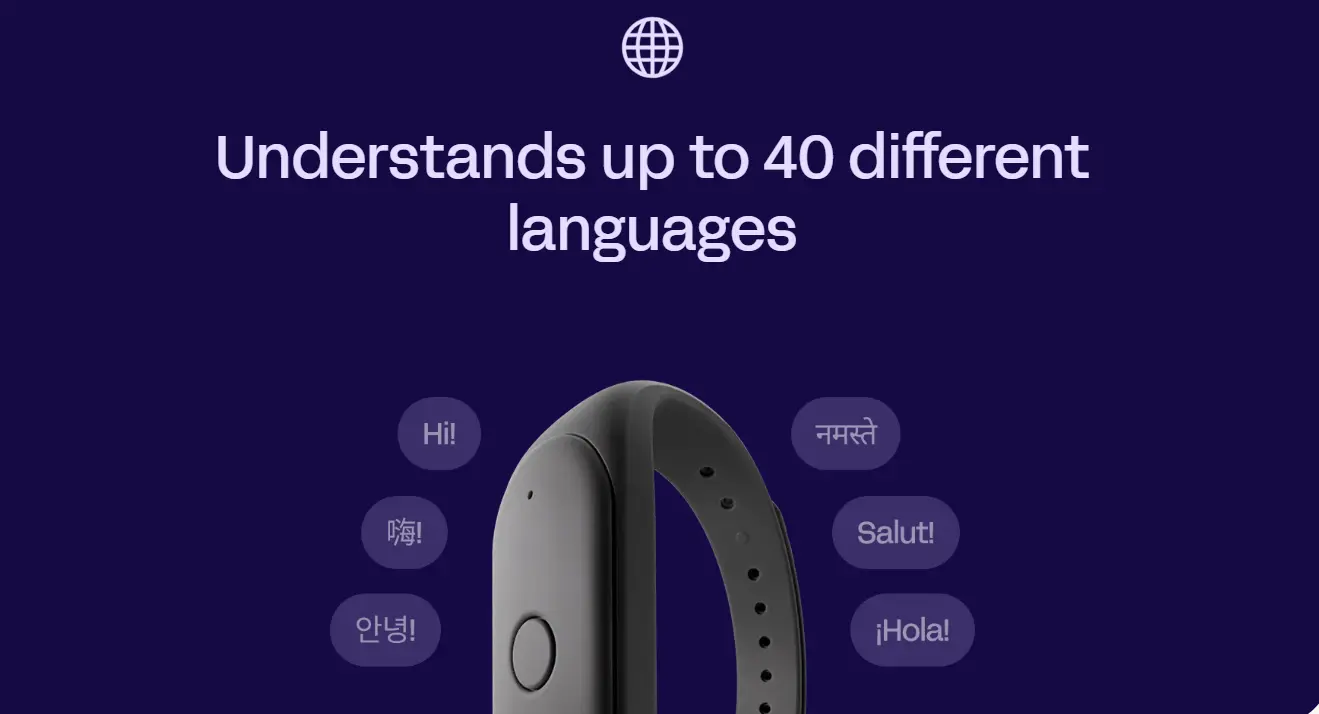 Bee Pioneer Edition 40-language support
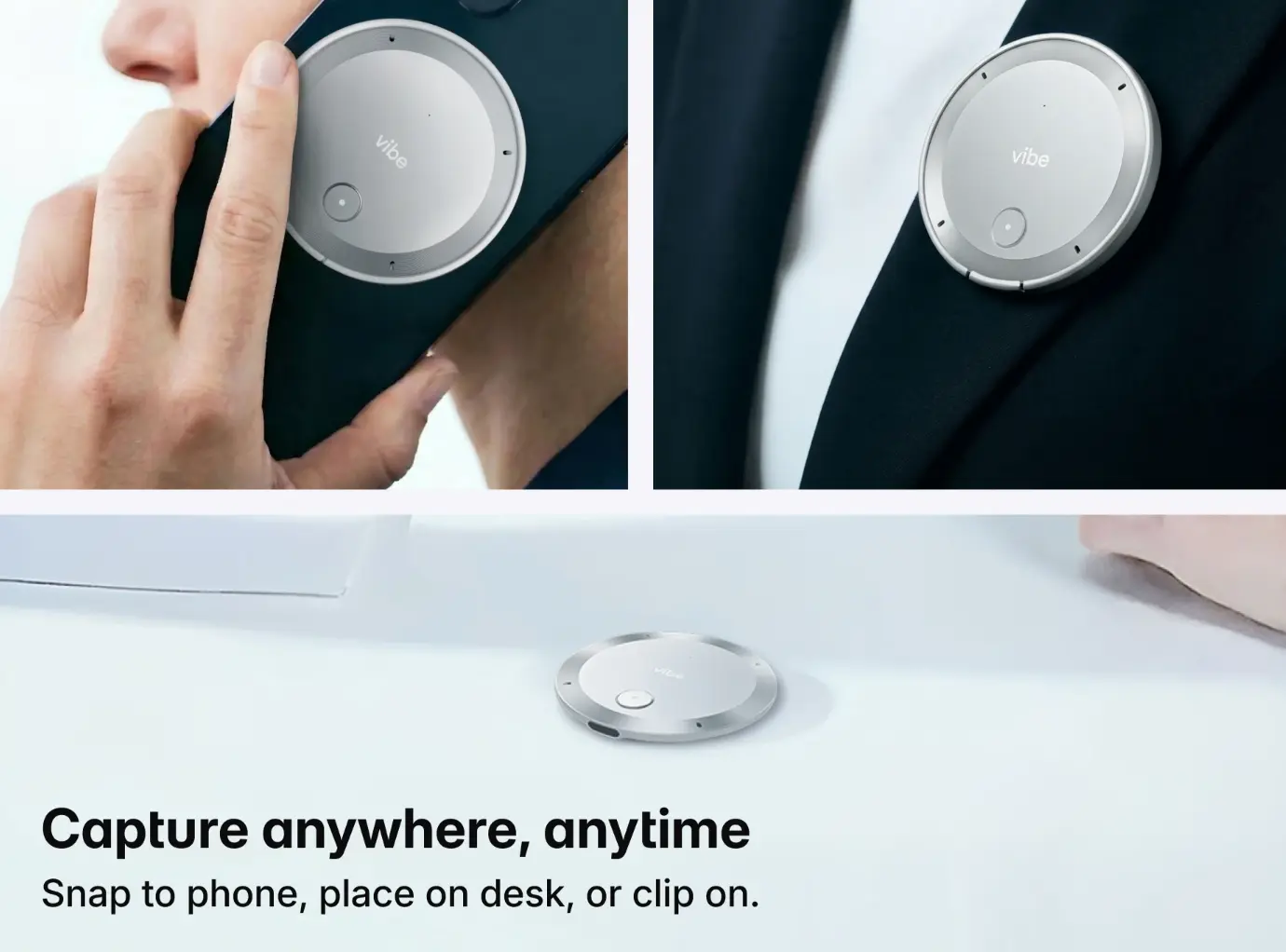
Vibe Dot takes the opposite design philosophy. At 0.83 oz and 0.17 inches thin, it’s built to disappear on a blazer lapel, snap magnetically to the back of a phone, or sit on a desk during a meeting. It’s not trying to be a lifestyle accessory — it’s trying to be invisible in a professional context.
The practical difference shows up the moment something goes wrong. Bee Pioneer is not waterproof — one reviewer lost their device after a brief pool encounter — and the strap detaches unexpectedly during ordinary daily activity. Vibe Dot is waterproof and attaches via magnetic snap — no clasp to fail.
Audio Capture: The Gap That Matters Most in Meetings
This is where the two devices diverge most sharply, and where the $150 price difference starts to make sense.
Bee Pioneer uses a dual-microphone setup optimized for picking up the wearer’s own voice. It works well for that — your own speech is captured clearly. But in real-world group settings, the mic range caps at 2–3 meters, making it effectively useless for anyone not standing very close to the wrist. In a standard conference room, that’s most of the people in the meeting. Per the TechCrunch hands-on review, speaker labeling is inconsistent with no straightforward way to identify who said what.
Vibe Dot uses a 5-microphone array — 4 MEMS microphones plus a dedicated Voice Processing Unit — designed for conference room pickup. The hardware is built to isolate individual voices, filter background noise, and capture multi-speaker conversations accurately even when participants are seated across a table.
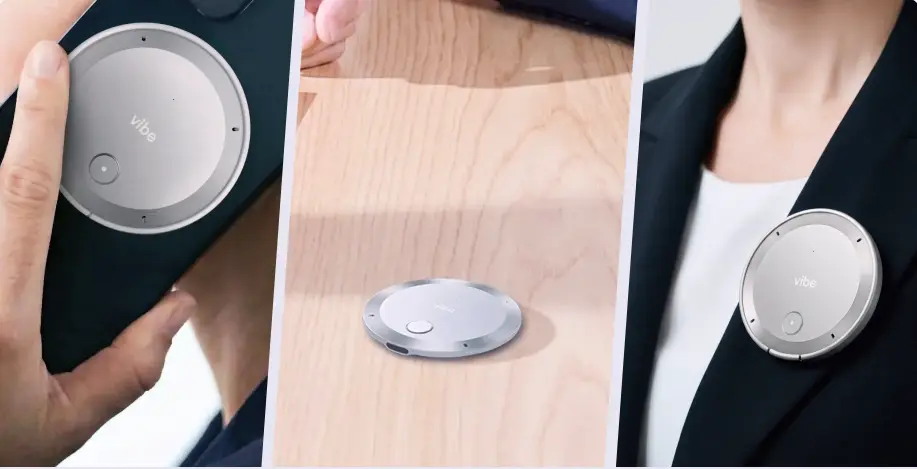 Vibe Dot AI recorder shown handheld, on desk, and worn as lapel pin
For solo use — voice memos, personal reminders, one-on-one calls — Bee Pioneer is adequate. For any meeting involving multiple speakers, the audio capture gap between the two devices is not marginal. It’s the difference between a usable transcript and a fragmented one.
The Audio Storage Question: A Fundamental Design Difference
This is arguably the most important difference between the two products, and it’s one Bee Pioneer frames as a feature.
Bee Pioneer deletes all raw audio immediately after transcription. The company positions this as privacy-first design — no audio ever stored, no risk of a breach exposing your conversations. And for personal life-logging, that logic holds up fine.
For professional use, it creates a critical problem: once the audio is gone, no way to verify transcripts against what was actually said. If a client disputes what was agreed in a meeting, if a transcript has an error in a critical number, or if you need to replay a specific exchange for legal or compliance purposes — there is nothing to go back to. The transcript is the only record, and transcripts make mistakes.
Vibe Dot stores 64GB of audio locally on the device. Every recording is retained in full, protected by a dedicated TPM 2.0 hardware encryption chip. If the device is lost or stolen, the recordings are cryptographically unreadable — the chip provides hardware-level protection even if the device is plugged into an unauthorized computer. You keep the audio, and you keep it secure.
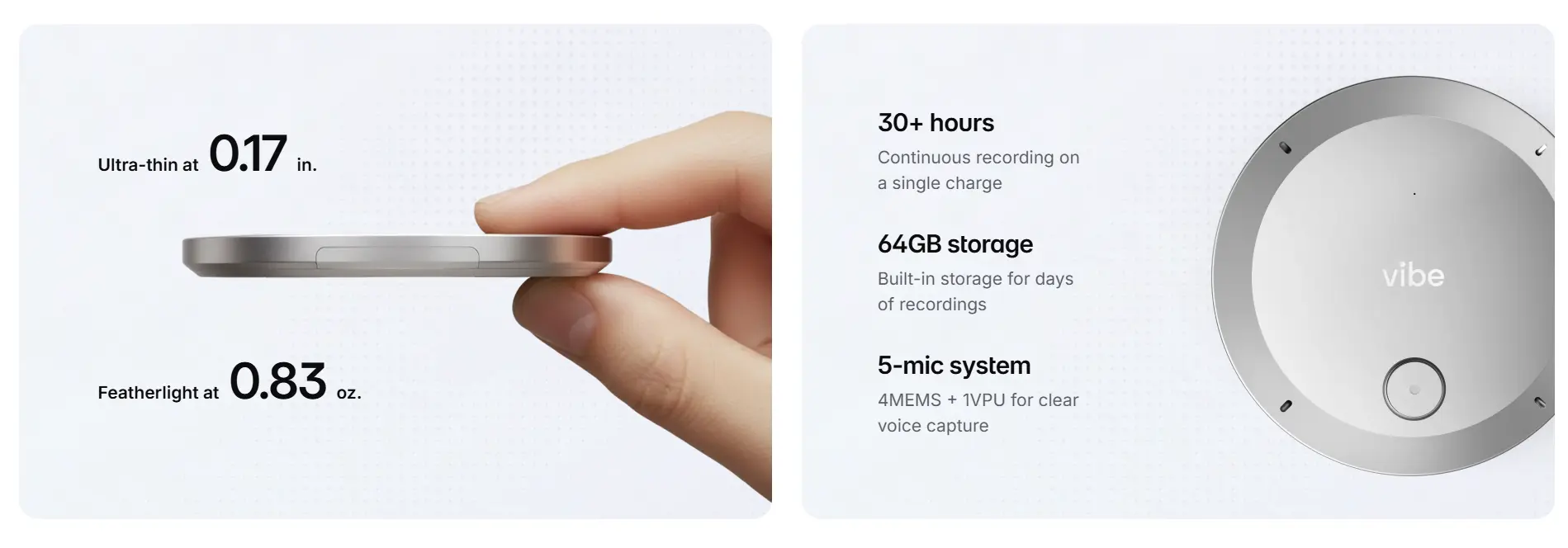 Vibe Dot portable AI recorder specs — 0.17 in. thin, 0.83 oz., 30+ hour battery, 64GB storage, 5-mic system
For professionals — especially in sales, legal, healthcare, or consulting — the ability to go back to the source recording is not a nice-to-have. It’s often the only thing that resolves a dispute.
Recording Modes: Intentional Capture vs. Always-On
Bee Pioneer has one mode: always listening, with a mute button. The practical consequence is that it captures everything — TV audio, podcasts, background conversations — and the AI mistakes media for conversation, generating summaries of things the wearer was watching rather than saying. Users report spending significant time each day cleaning up irrelevant output.
Vibe Dot ships with three purpose-built modes:
Spark — press and hold to capture a spontaneous thought or voice memo. Saves directly to a Personal Memo folder, separate from meeting recordings.
Tap to Record — double-tap to start, tap again to stop. Press once mid-recording to flag a key moment. This intentional-capture approach also aligns with requirements in all-party consent states like California and Florida, where recording without all-party consent carries real legal risk.
Auto Capture (Beta) — uses Voice Activity Detection to start recording automatically when speech is detected within pre-configured working hours. Outside those hours, Vibe Dot goes silent. No accidental recordings of your evening, your commute, or anything you weren’t trying to capture.
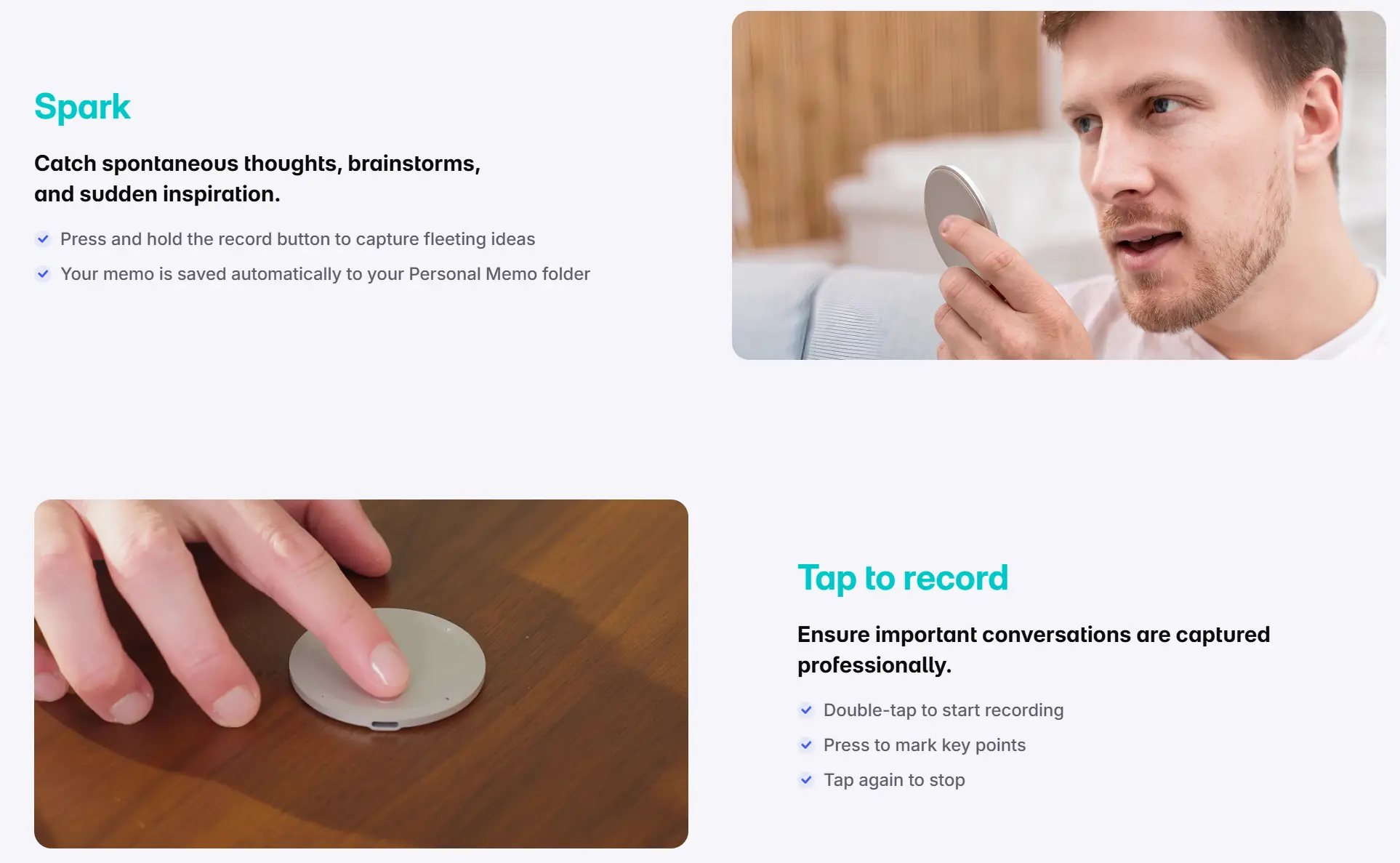 Vibe Dot Spark and tap-to-record modes
The result: Vibe Dot generates less output, but more of it is useful. Bee Pioneer generates more output, but a meaningful portion requires manual review and deletion.
Privacy and Security: Policy vs. Hardware
Both products make privacy claims. The substance behind those claims is very different.
Bee Pioneer’s privacy model rests on a software promise: audio is processed and deleted in real-time, transcripts are encrypted, data isn’t sold. Those commitments were made by the original Bee Computer team. Since Amazon acquired Bee in 2025, questions have emerged about whether those policies will hold — given Amazon’s data privacy track record including past incidents involving Alexa recordings.
Vibe Dot’s privacy model combines policy with hardware enforcement. The dedicated TPM 2.0 chip means recordings are protected regardless of what happens at the software or policy level — the data is cryptographically locked to the device. On top of that, Vibe Dot carries a verifiable compliance stack: SOC 2 (audited by Prescient Assurance), HIPAA, NDAA, FERPA, and TPM 2.0 — all published and independently verified on Vibe’s security page.
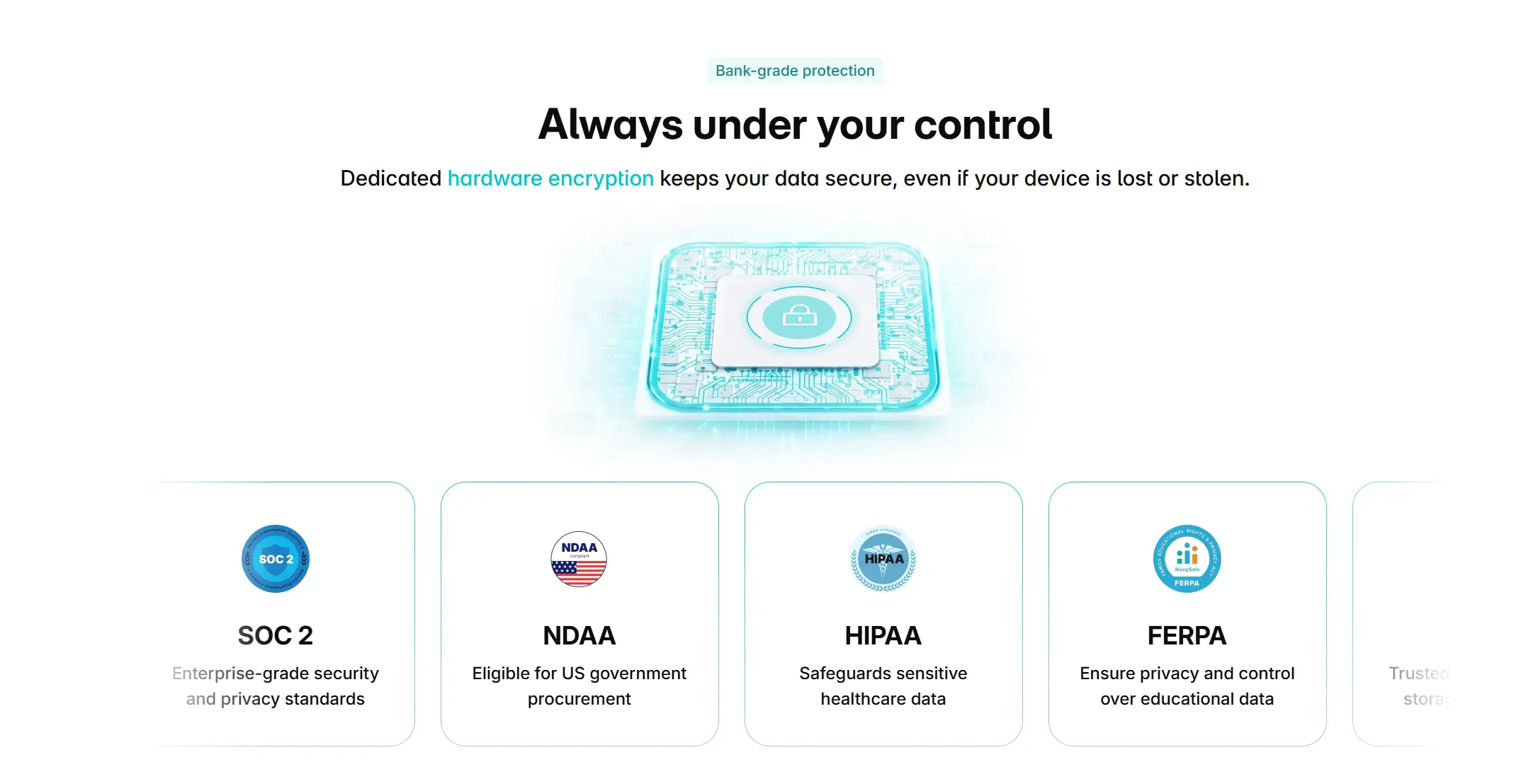 Vibe Dot is SOC 2, HIPAA, FERPA, and NDAA compliant
Bee Pioneer has no compliance certifications. For anyone in healthcare, education, government contracting, or legal services, that’s not a minor gap — it’s a disqualifying one.
AI Features: Daily Recap vs. Connected Memory
Bee Pioneer’s AI layer produces daily "Memory" summaries — color-coded conversation segments with action items and key takeaways. For personal recall, this works reasonably well. Each day’s conversations are processed into a digest you can review. The AI also generates "facts" about the user from overheard conversations, though reviewers note these are frequently inaccurate user "facts" that require manual verification.
The structural limit is that each day is its own island. There is no memory connecting Monday’s client call to the follow-up discussion three weeks later. Every session starts fresh.
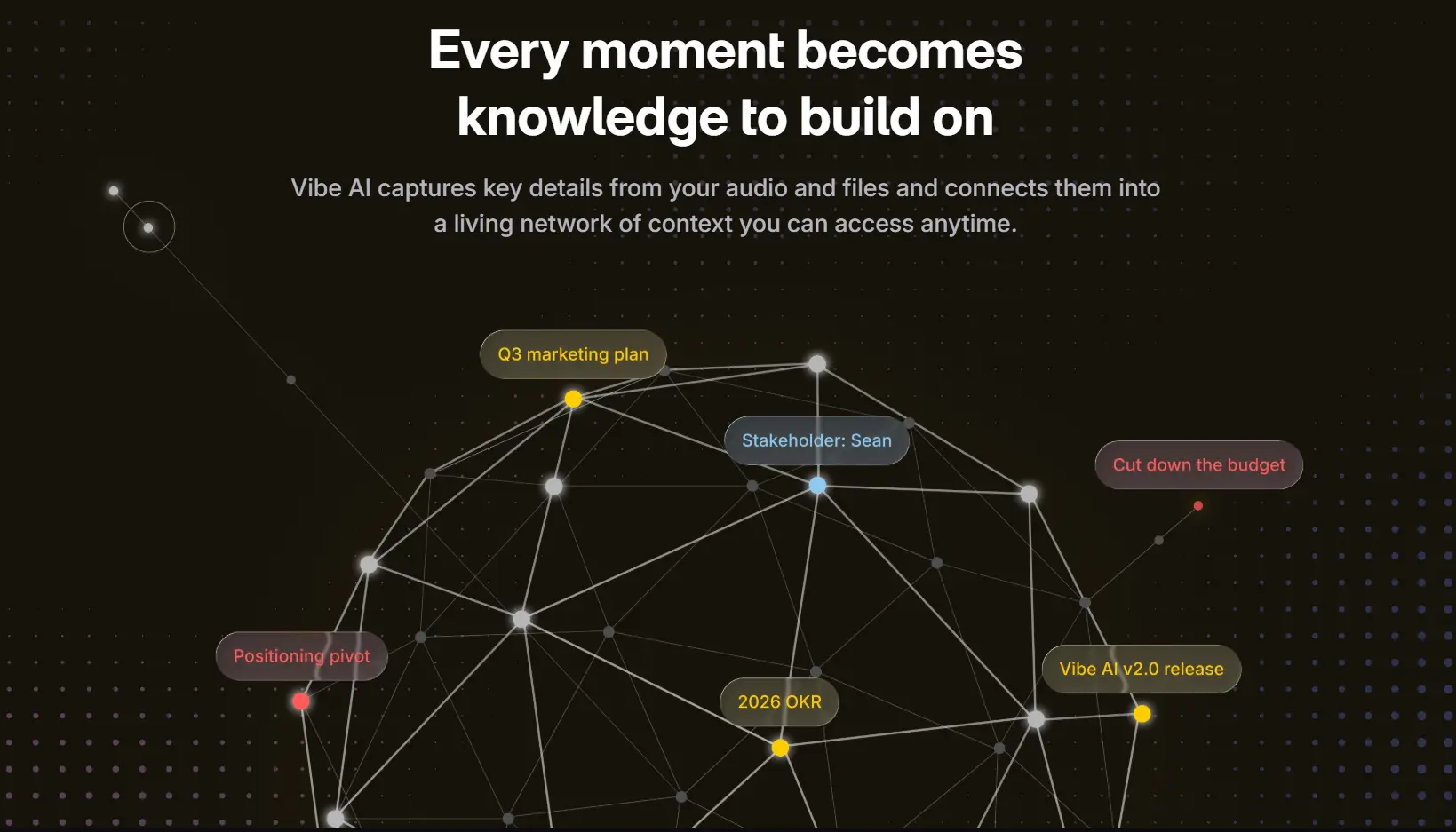
Vibe Dot is built on Vibe AI Memory Graph — a cross-session intelligence layer that connects insights across all your recordings over time. When you’re in a meeting, the AI can surface context from a conversation six months ago. Action items, decisions, and follow-ups are organized into a continuous thread, not a daily archive.
For professionals managing ongoing client relationships, long sales cycles, or multi-week projects, this is the functional difference between a notepad and a knowledge system.
Pricing: What You’re Actually Paying For
Bee Pioneer is a one-time purchase at $49.99 with no current mandatory subscription. That’s the full cost of entry.
|
Plan |
Price |
What’s Included |
|---|---|---|
|
Hardware |
$49.99 |
Device only — no subscription required |
|
Premium (if introduced) |
TBD |
Amazon has not announced paid tiers as of mid-2026 |
Vibe Dot is a one-time hardware purchase at $199 (reg. $249, currently 20% off). Core features are free with no subscription required.
|
Plan |
Price |
Transcription |
Key Features |
|---|---|---|---|
|
Hardware |
$199 (reg. $249) |
— |
5-mic array, 64GB storage, 30+ hr battery, TPM 2.0 |
|
Starter |
Free |
300 mins/mo |
Basic summaries, action items, 7-day memory retention |
|
Pro |
$9/mo (billed annually) |
1,200 mins/mo |
100 AI Credits, 12-mo memory, custom summary templates |
|
Max |
$29/mo (billed annually) |
Unlimited |
400 AI Credits, permanent memory, deep CRM integration |
The honest total-cost framing: for a professional who records 3–5 hours of meetings per week, Vibe Dot on the Pro plan costs $307 in year one ($199 hardware + $108 subscription). Bee Pioneer costs $49.99. The $257 difference buys raw audio storage, hardware encryption, a 5-mic array, compliance certifications, cross-session memory, and three purpose-built recording modes. Whether that’s worth it depends entirely on what’s at stake in your meetings.
Who Should Choose Bee Pioneer?
Bee Pioneer is the right choice if:
-
Your use case is personal ambient memory — daily recaps, to-do capture, life-logging — not professional documentation
-
You want the lowest possible cost of entry to test whether a wearable AI recorder fits your life at all
-
You’re based in the US (Bee currently ships domestically only)
-
You’re not in a regulated industry and none of your conversations carry legal, compliance, or client-confidentiality weight
-
You’re comfortable with Amazon owning the platform and handling your conversation data
It’s a reasonable experiment. At $49.99, the downside of trying it and finding it insufficient is low.
Who Should Choose Vibe Dot?
Vibe Dot is the right choice if:
-
Your conversations involve clients, patients, deals, or anything where transcript accuracy matters and the audio needs to be verifiable
-
You work in healthcare, education, legal, government contracting, or any regulated industry where HIPAA, FERPA, or NDAA compliance is required
-
You attend multi-person meetings where a 2–3 meter microphone range won’t cover the room
-
You need phone call recording alongside in-person capture
-
You’re managing ongoing relationships or projects where cross-session memory is a real productivity advantage
-
You want hardware-level encryption, not just a software deletion promise
The $150 premium over Bee Pioneer pays for a fundamentally different category of tool — one built for professional accountability rather than personal convenience.
The Bottom Line
Bee Pioneer and Vibe Dot are both wearable AI recorders. Beyond that, they’re solving different problems for different people.
Bee Pioneer is a consumer product designed for personal memory enhancement. At $49.99, it’s an accessible way to test whether always-on capture fits your life. Its limits — no audio storage, 2–3 meter mic range, no compliance certifications, Amazon data questions — are acceptable tradeoffs for casual use. They’re dealbreakers for professional use.
Vibe Dot is a professional tool designed for the conversations where accuracy, security, and accountability matter. The 5-mic array, TPM 2.0 hardware encryption, 64GB storage, three recording modes, and full compliance stack aren’t premium features added to justify a price. They’re the baseline requirements for a device you’d actually trust with client conversations, patient interactions, or anything that could end up in a dispute.
Frequently Asked Questions
Is Vibe Dot worth the extra cost over Bee Pioneer?
For personal use and life-logging, Bee Pioneer at $49.99 is a reasonable starting point. For professional use — client meetings, regulated industries, multi-speaker capture, or any situation where transcript accuracy carries consequences — Vibe Dot’s 5-mic array, 64GB audio storage, TPM 2.0 encryption, and compliance certifications justify the price difference. The question is whether a wrong or unverifiable transcript has ever cost you anything. If it has, Vibe Dot is worth it.
Does Bee Pioneer store audio recordings?
No. Bee Pioneer processes audio in real-time and deletes it immediately, retaining only transcripts and AI-generated summaries. You cannot replay the original recording or verify a transcript against what was actually said. Vibe Dot stores 64GB of audio locally, protected by a dedicated hardware encryption chip.
Can Bee Pioneer record phone calls?
No. Bee Pioneer captures ambient audio within microphone range of the wristband. It does not record phone calls, Zoom calls, Teams meetings, or any other call audio. Vibe Dot supports phone and video call recording alongside in-person capture.
Is Bee Pioneer HIPAA compliant?
No. Bee Pioneer carries no enterprise compliance certifications — no HIPAA, FERPA, or NDAA. Vibe Dot holds all three, plus SOC 2 and TPM 2.0, making it suitable for healthcare, education, and government-adjacent professional use.
What happens to Bee Pioneer data now that Amazon owns it?
Amazon acquired Bee in 2025. The original Bee team’s privacy commitments — real-time deletion, no data training, no third-party sharing — were made before the acquisition. Amazon has stated those policies remain in place, but users in sensitive professional environments should review Amazon’s current data terms before deploying Bee for client or patient conversations.
Does Vibe Dot work without a subscription?
Yes. Vibe Dot’s core features — recording, 64GB local storage, basic transcription, and summaries — are available on the free Starter plan with 300 minutes of transcription per month. Paid plans (Pro at $9/month, Max at $29/month) unlock higher transcription limits, longer memory retention, and advanced agentic features.