
Pocket AI has earned a following for its MagSafe-attach design and model-switching flexibility. But it’s not the right fit for everyone — and in 2026, there are genuinely better options depending on what you actually need from a pocket-sized AI recorder.
Maybe you need stronger hardware privacy guarantees. Maybe you want a device that works offline and in noisy environments. Maybe you just want more AI intelligence built in, not bolted on. Whatever the gap, the alternatives below are worth a close look.
Here’s how the best Pocket AI alternatives stack up in 2026.
Quick Answer: Best Pocket AI Alternatives at a Glance
-
Vibe Dot — Best overall Pocket AI alternative
-
Plaud Note Pro — Best for phone call recording
-
Bee Pioneer — Best always-on ambient wearable
-
Omi — Best budget pick
-
Otter.ai — Best software-only alternative
How We Evaluated These Tools
Every device and app on this list was assessed across four dimensions: audio capture quality, AI processing depth, privacy and security posture, and total cost of ownership (hardware + subscription over 12 months). For hardware devices, offline capability and form factor flexibility also factored in.
The goal isn’t to find the "best AI recorder" in the abstract — it’s to identify which tools are genuinely better than Pocket AI at specific things people actually care about.
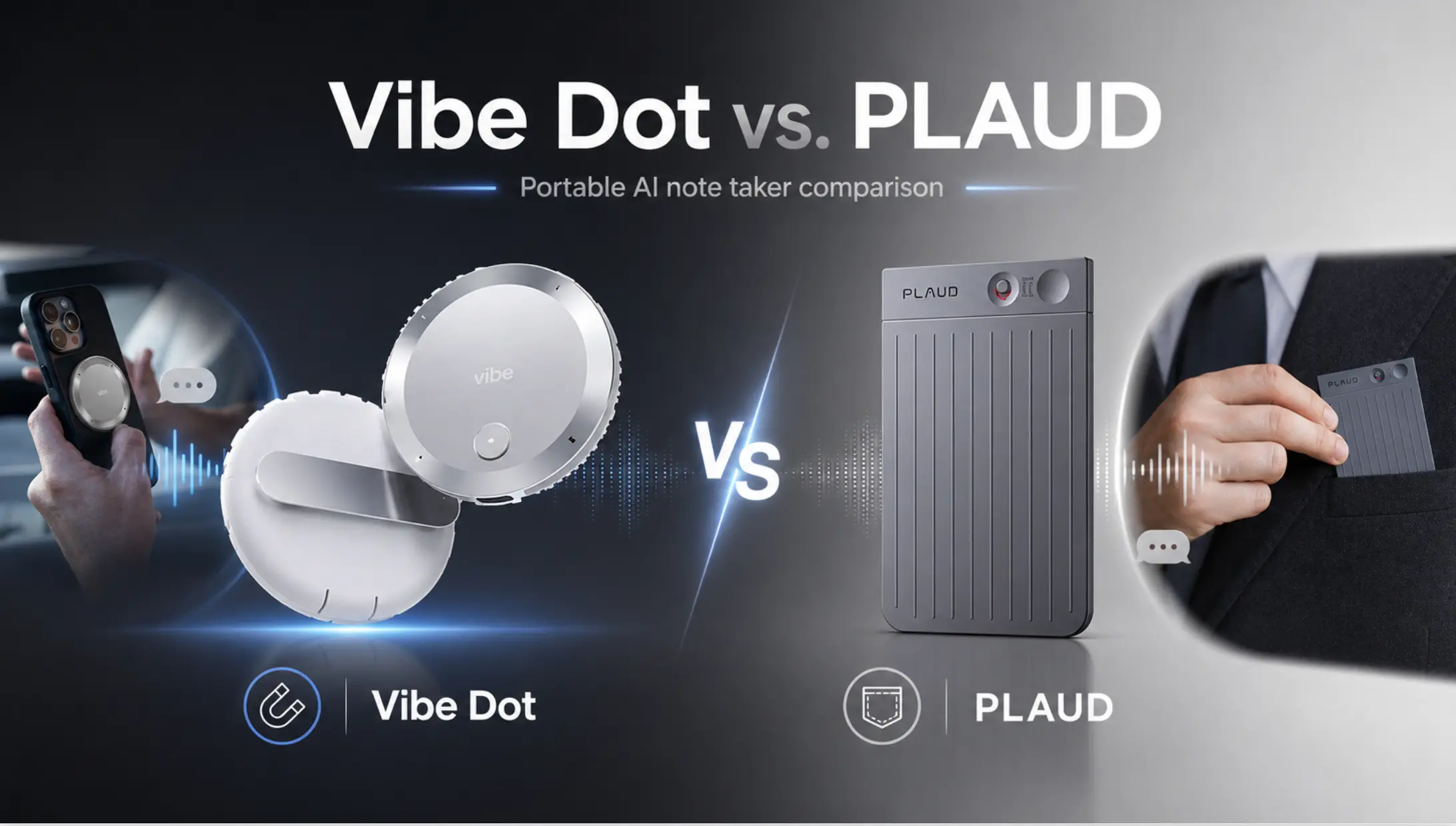
If you’re also comparing against Plaud specifically, see our full Plaud alternatives breakdown. For a broader look at the hardware and software field, the 10 best AI note takers of 2026 covers both categories side by side.
1. Vibe Dot — Best Overall Pocket AI Alternative
Price: $199 (currently 20% off)
Best for: Professionals who need deep AI intelligence, strong privacy compliance, and flexible wear modes
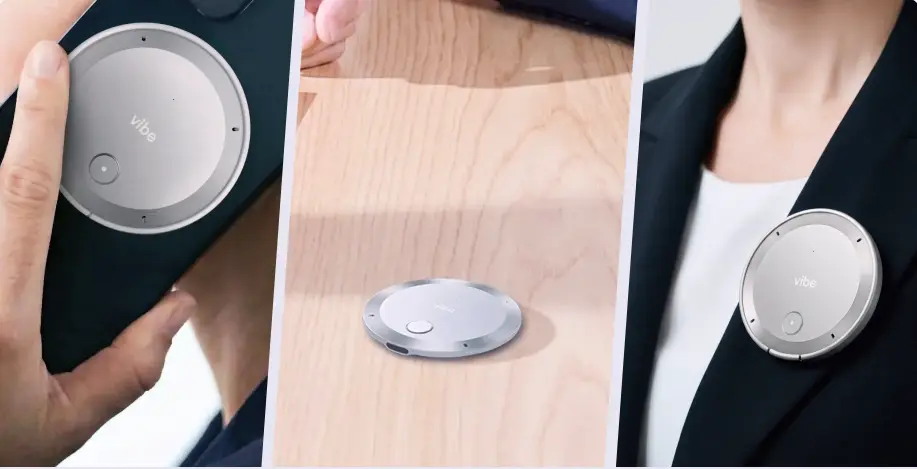 Vibe Dot AI recorder shown handheld, on desk, and worn as lapel pin
If Pocket AI’s main appeal is "small, portable, and smart," Vibe Dot makes the same case — and then goes further on every axis that matters for serious professional use.
Why Vibe Dot Beats Pocket AI
Five-microphone array with bone conduction. Most recorders use two or four air microphones. Vibe Dot uses a professional 5-mic setup: four high-fidelity air microphones plus a dedicated bone-conduction microphone that isolates your voice from background noise. In loud environments — cafes, construction sites, open-plan offices — that difference shows up in transcript quality in ways a two-mic device simply can’t match.
Hardware encryption chip. Pocket AI relies on software-level encryption. Vibe Dot’s data is protected by a dedicated hardware encryption chip, which means your recordings are physically unreadable if the device is plugged into an unauthorized machine. For anyone in healthcare, legal, or regulated industries, this is a meaningful distinction — not a marketing footnote.
Compliance stack. Vibe Dot is SOC 2, HIPAA, FERPA, and NDAA compliant out of the box. Pocket AI does not currently publish comparable compliance certifications. If your work involves protected information, Vibe Dot is the only real option in this category.
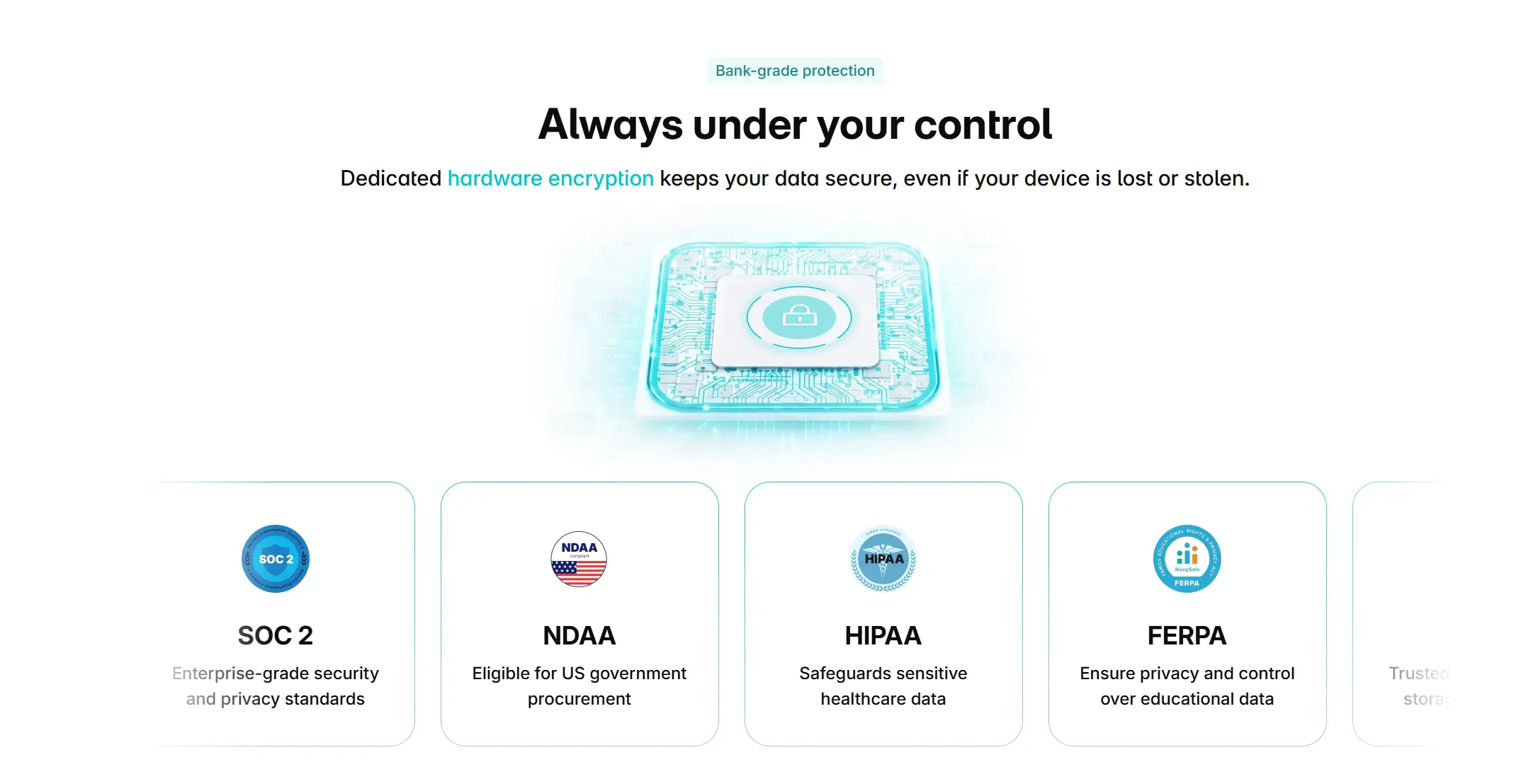 Vibe Dot is SOC 2, HIPAA, FERPA, and NDAA compliant
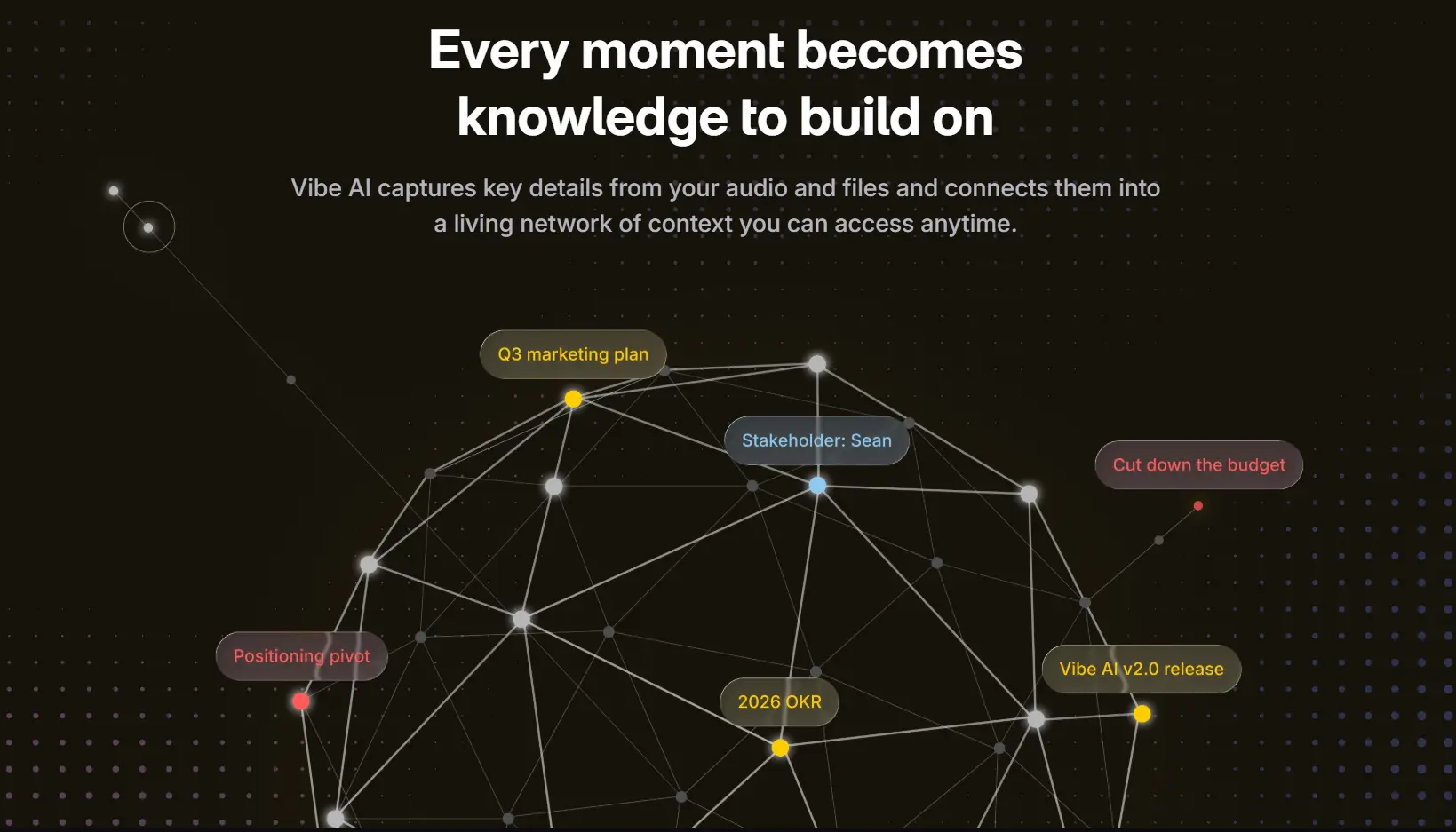
Vibe AI Memory Graph. This is where the two products separate most clearly. Pocket integrates with external AI models and lets you choose which one processes your recordings. Vibe Dot feeds into Vibe AI’s Memory Graph — a persistent, searchable cross-conversation memory engine that connects notes from Vibe Dot, Vibe Bot (for in-room meetings). You can ask "What were the three main concerns the client raised last Thursday?" and get a direct answer from months of accumulated context, not just a single recording.
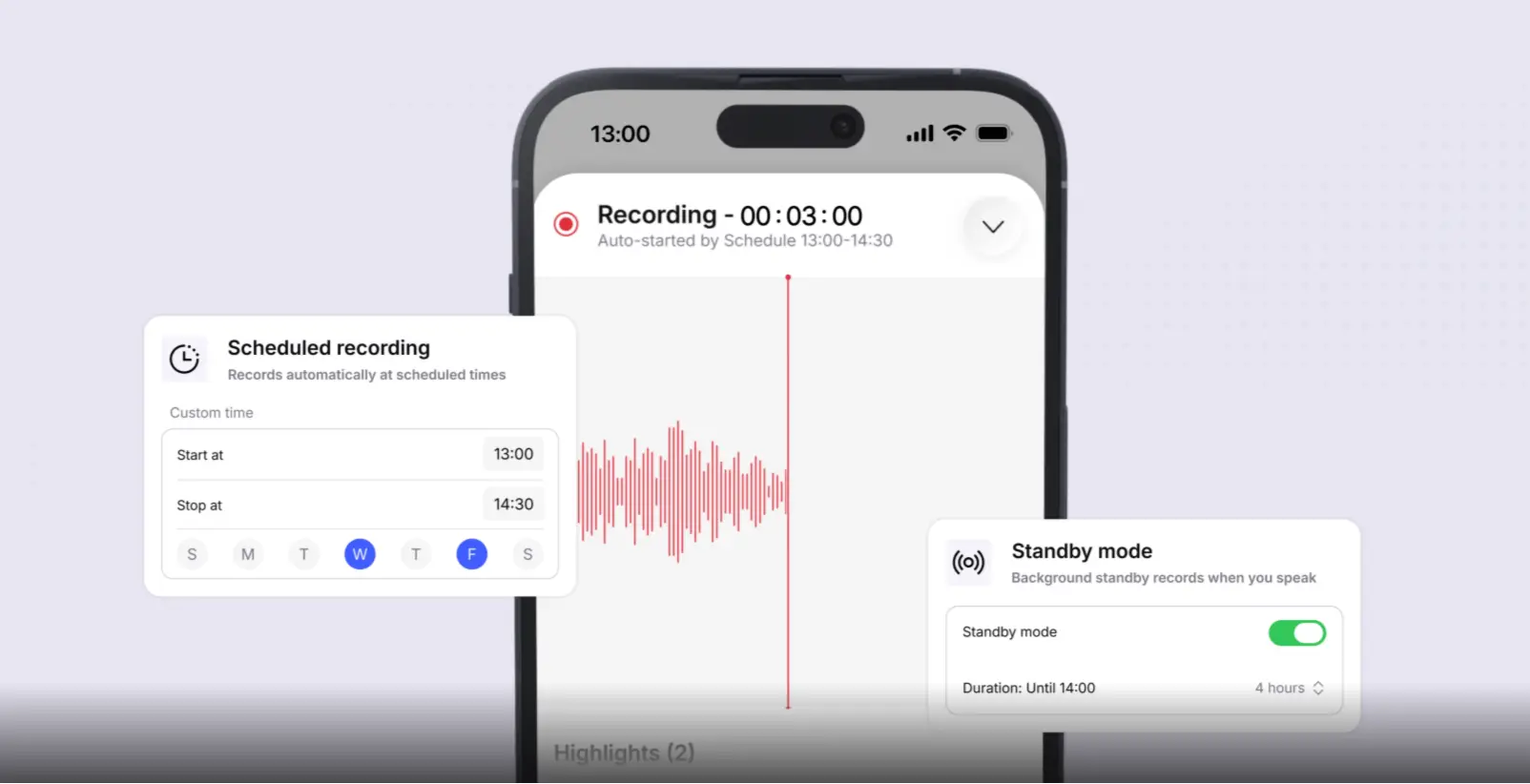
Offline-first recording. Vibe Dot stores audio locally and syncs over Bluetooth when you’re back in range. Dead zones, remote sites, flight mode — it doesn’t matter. Pocket also records offline, but the processing pipeline is more tightly tied to an active connection.
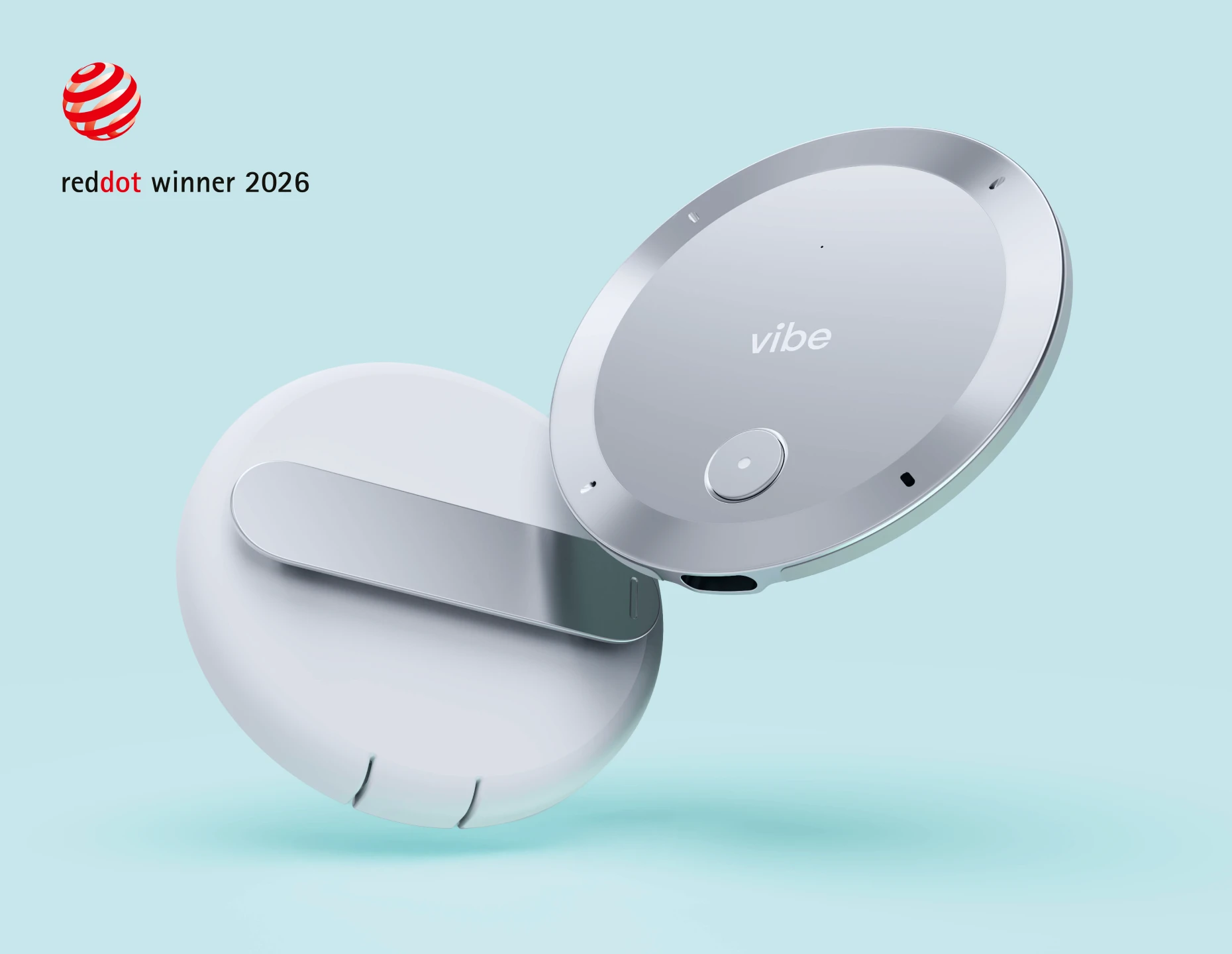
Wear modes. Vibe Dot ships with a magnetic case, magnetic clip, and magnetic ring (for non-MagSafe phones). It attaches the same way Pocket does but adds lapel and clothing clip options that Pocket doesn’t offer.
30+ hour battery life. Pocket AI offers up to four days of battery with moderate use. Vibe Dot provides 30+ hours of continuous recording — useful for full-day workshops, multi-session conferences, or fieldwork where charging isn’t convenient.
Where to Be Realistic
Vibe Dot’s core features — recording, storage, basic AI summaries — are free. Advanced agentic features require a Vibe AI Pro plan.
2. Plaud Note Pro — Best for Phone Call Recording
Price: $189
Best for: Users who primarily record phone calls and want the most polished mobile app in the category
Plaud is the most established name in dedicated AI recorder hardware. The Note Pro’s four-MEMS microphone array, 30-hour battery, and ultra-thin card design (it magnets to the back of your phone) make it the strongest pocket recorder for traditional use cases.
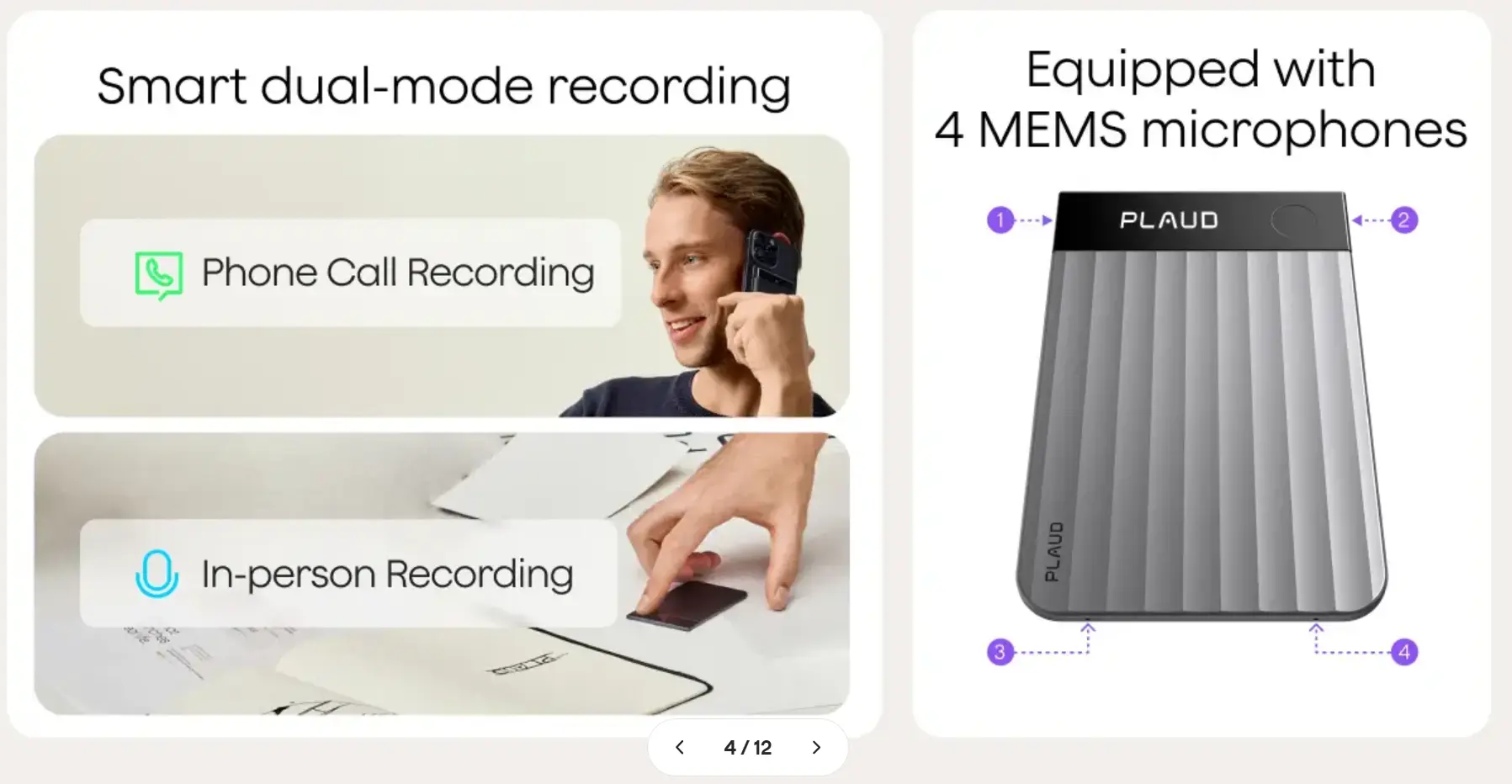 Plaud – smart dual-mode recording
Where Plaud leads Pocket: the mobile app. Plaud’s app has better playback controls, folder organization, and search than Pocket’s current offering. If you spend a lot of time reviewing and organizing recordings, that polish matters.
Where Plaud falls short: there’s no wearable option beyond the card, the AI layer is competent but not deeply integrated into a broader memory system, and the annual Pro plan ($99.99/year) significantly raises the total cost of ownership for heavy users. Plaud also doesn’t publish HIPAA or NDAA compliance on the Note Pro.
Watch for: Plaud’s 2026 Pro plan reduced transcription minute allowances without a price change — a common friction point raised in recent user reviews.
3. Bee Pioneer — Best Always-On Ambient Wearable
Price: ~$49–$69 (hardware) + $19/month subscription
Best for: Anyone who wants an always-listening ambient device at a low hardware entry price
Bee is a screenless wearable that runs continuously, logging your day into personal summaries, reminders, and behavioral insights. It’s closer to an ambient memory device than a meeting recorder — the use case is "capture everything passively," not "press record when the meeting starts."
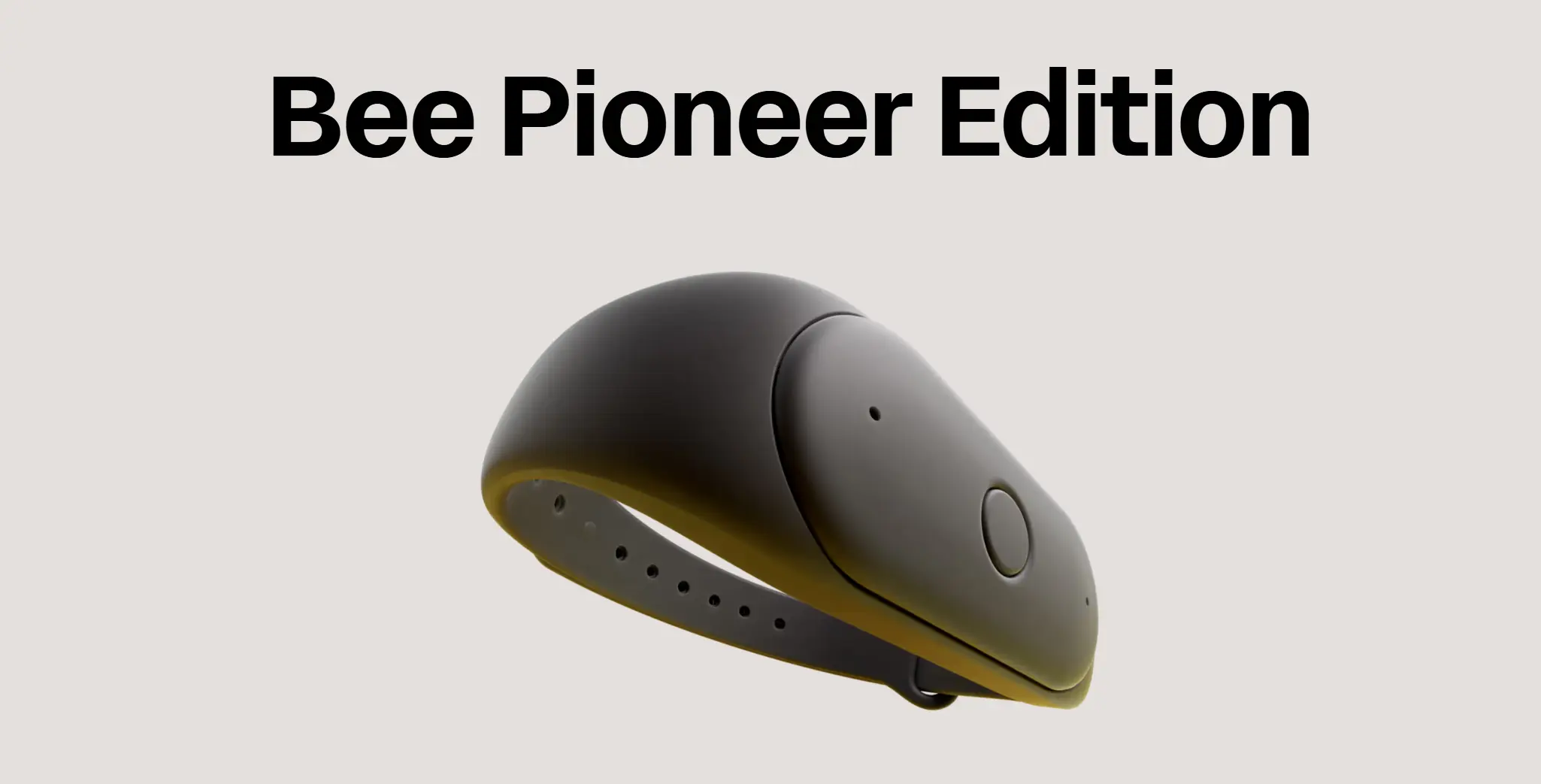 Bee Pioneer Edition
Where Bee wins: hardware cost. At under $70, it’s the most accessible entry point in the hardware category. If you’re experimenting with wearable AI and don’t want to commit to a $199 device, Bee makes sense as a trial run.
Where Bee loses: the subscription math. At $19/month, a year of Bee costs $228 in subscription fees alone — more than the total hardware cost of Vibe Dot, with no recurring fee required for core features. The always-on recording model also raises consent considerations in jurisdictions with two-party recording laws.
Note: Amazon acquired Bee in mid-2025. If Amazon’s approach to personal data is a factor in your decision, that’s worth knowing before you commit.
4. Omi — Best Budget Hardware Pick
Price: ~$89
Best for: Budget-conscious users who want dedicated hardware with offline capability
The Omi pendant supports live streaming, offline recording, and ships with an unlimited on-device transcription plan plus 1,200 free cloud minutes per month. At $89, it’s the most affordable dedicated AI note-taking device in 2026
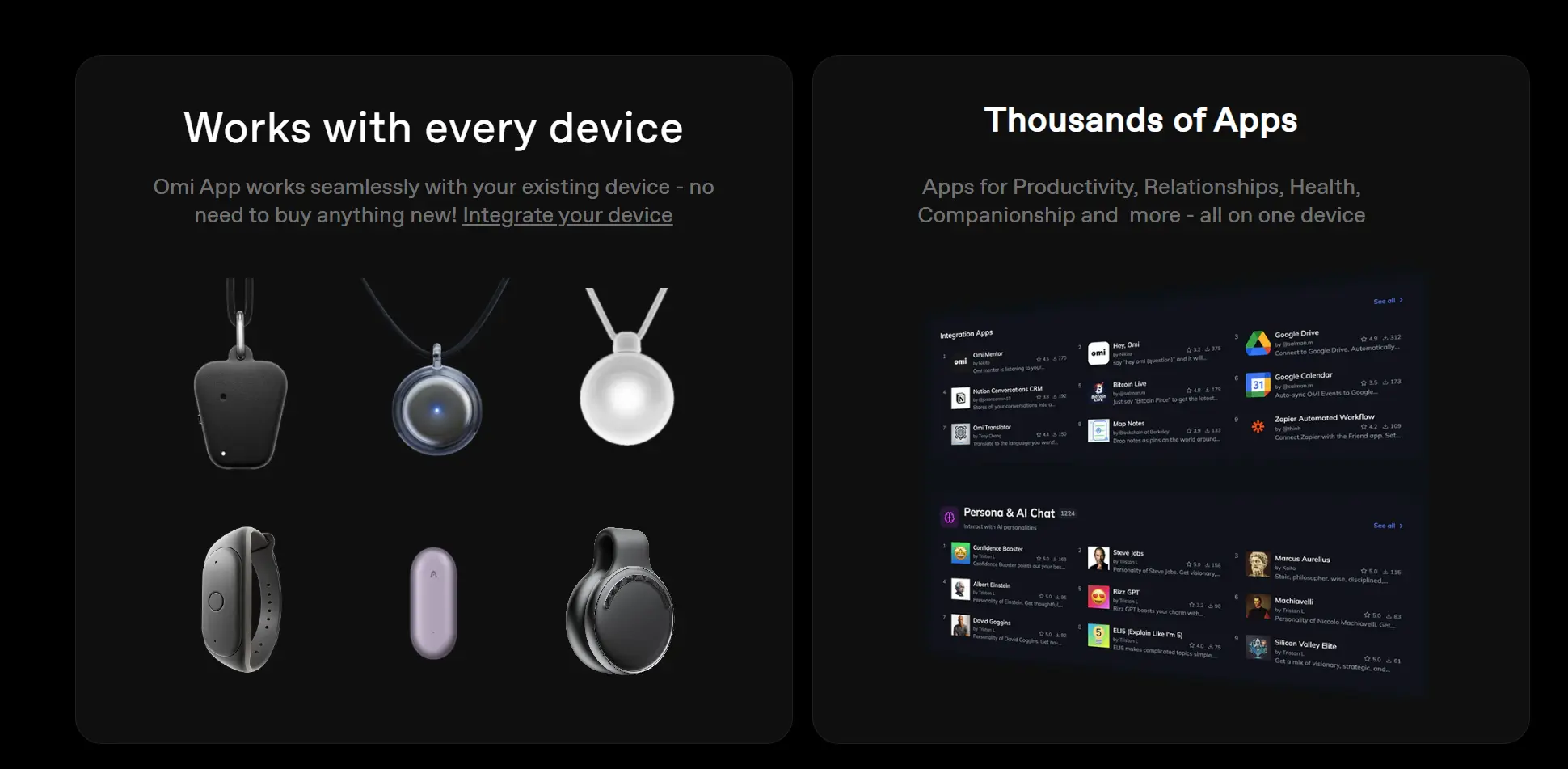 Screenshot of Omi homepage
The trade-offs are real: audio capture quality is below Vibe Dot or Plaud, the AI processing layer is thinner, and the pendant form factor doesn’t suit every environment. But for students, freelancers, or anyone who wants to try the category without a significant upfront investment, Omi delivers more than its price suggests.
5. Otter.ai — Best Software-Only Alternative
Price: Free tier available; Pro at $16.99/month
Best for: Teams whose meetings happen entirely on Zoom, Teams, or Google Meet
If your conversations are primarily virtual, you don’t need hardware. Otter.ai joins your scheduled meetings directly, delivers real-time transcription and collaborative note-taking, and integrates with CRM and calendar tools.
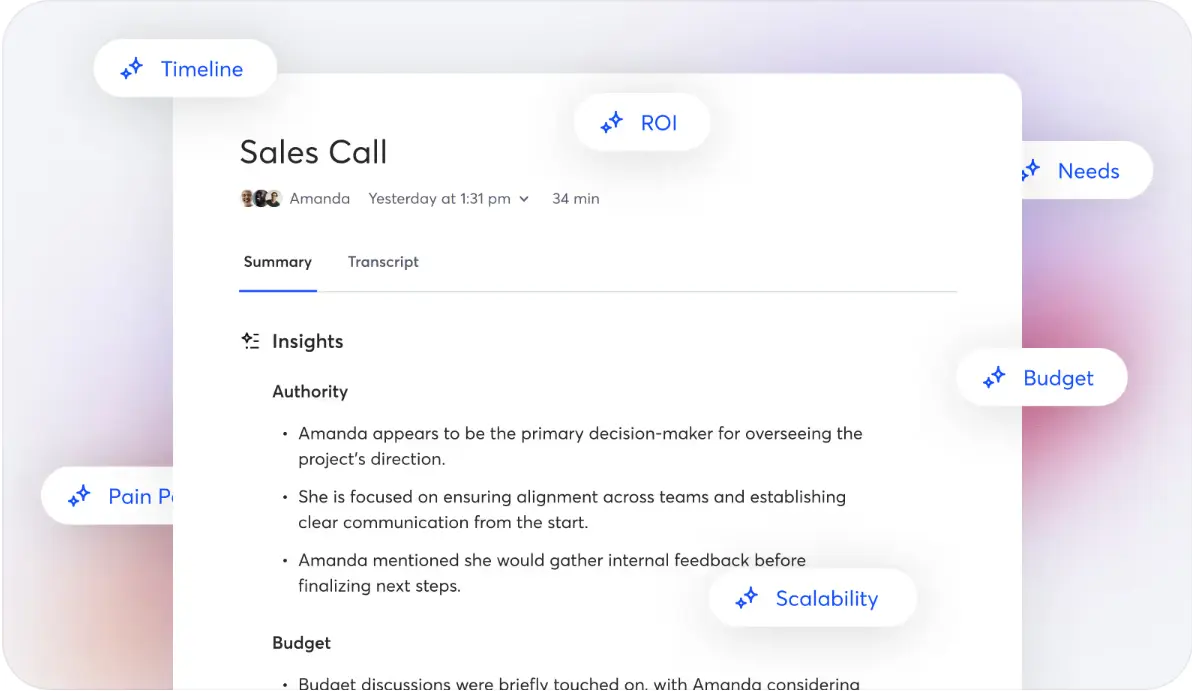 Otter.ai dashboard showing sales call AI summary with insights and key topic tags
What Otter can’t do: capture the conversations that happen off the calendar. Client hallway chats, site visits, coffee meetings, interviews — none of that is accessible to a software-only tool. If any meaningful percentage of your work happens in person, a hardware device is the right layer; Otter is best as a complement, not a replacement for dedicated hardware. For a full side-by-side of how meeting software compares to hardware recorders, see our best 10 note takers comparison.
Watch for: Otter’s language support is strong in English, French, and Spanish, but falls behind hardware devices for multilingual teams. The visible meeting bot is also a point of friction for some users on client calls.
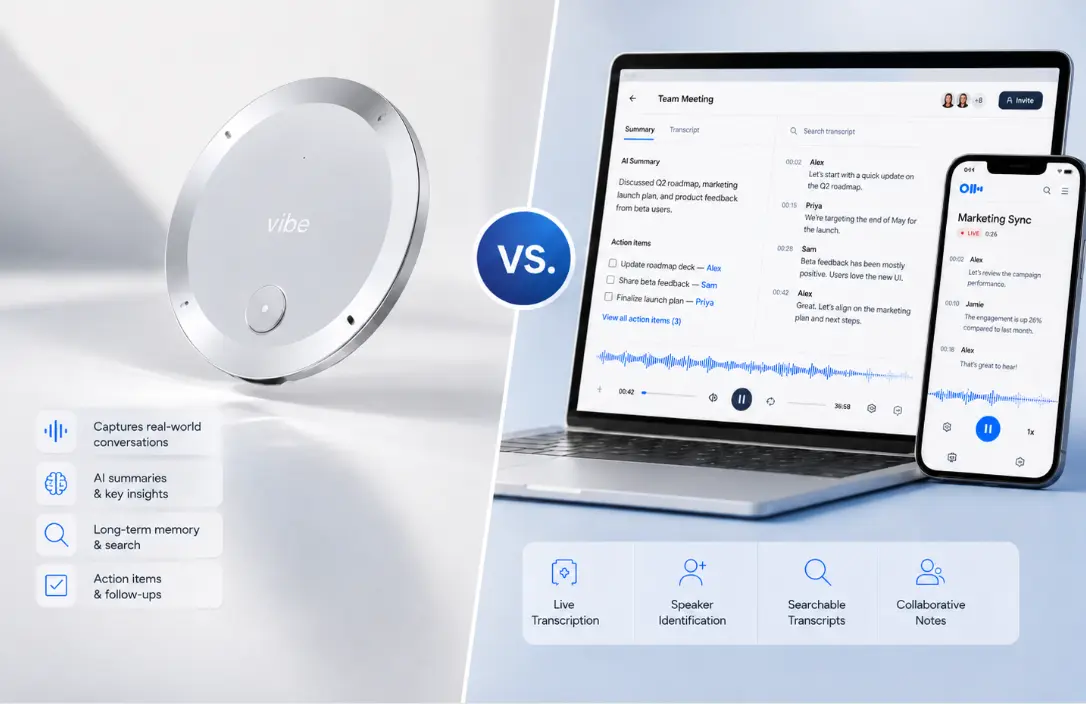
Pocket AI Alternatives: Side-by-Side Comparison
|
Device |
Price |
Microphones |
Battery |
Offline |
Compliance |
Subscription Required |
|---|---|---|---|---|---|---|
|
Vibe Dot |
$199 |
5-mic + bone conduction |
30+ hrs |
✓ |
SOC 2, HIPAA, NDAA, FERPA |
Core features free |
|
Plaud Note Pro |
$189 |
4 MEMS |
30 hrs |
✓ |
Not published |
$99.99/yr for Pro |
|
Bee Pioneer |
~$49–69 |
Not disclosed |
1.5~2 days |
✓ |
Not published |
$19/mo |
|
Omi |
~$89 |
Not disclosed |
Not disclosed |
✓ |
Not published |
1,200 mins/mo free |
|
Otter.ai |
$0–$16.99/mo |
N/A (software) |
N/A |
✗ |
GDPR |
Free tier available |
Which Pocket AI Alternative Is Right for You?
Choose Vibe Dot if: Your work mixes in-person and virtual conversations, you handle sensitive or regulated information, or you want an AI layer that builds memory across all your interactions — not just individual recordings.
Choose Plaud Note Pro if: Phone call recording is a core use case, or you want the most mature mobile app in the category.
Choose Bee if: You want ambient always-on capture at the lowest possible hardware cost, and you’re in a jurisdiction where passive recording is legally straightforward.
Choose Omi if: Budget is the primary constraint and you want dedicated hardware with offline capability.
Choose Otter.ai if: Virtually all your important conversations happen on a calendar and you don’t need hardware at all.
Final Take
Pocket AI carved out a niche by letting users route recordings to the AI model of their choice — useful for teams already running on a specific LLM. But the hardware itself is limited to a single form factor, there’s no published compliance posture, and the AI layer depends entirely on external integrations rather than a built-in memory system.
Vibe Dot addresses all three gaps. A 5-mic professional array, hardware encryption, HIPAA and NDAA compliance, and the Vibe AI Memory Graph make it the most complete pocket AI alternative for professionals who need their recorder to do more than transcribe.
Prices and specs reflect vendor-published information as of July 2026. Confirm current pricing before purchasing.
FAQs
What is Pocket AI and why are people looking for alternatives?
Pocket AI (by HeyPocket) is a MagSafe-attach wearable recorder that captures in-person and phone-call audio and routes it through a user-selected AI model. Users look for alternatives primarily for three reasons: no published compliance certifications for regulated industries, limited wear-mode flexibility, and a desire for a more integrated AI memory layer rather than routing to external models.
Is Vibe Dot better than Pocket AI?
For most professional use cases, yes. Vibe Dot’s 5-microphone array (including a bone-conduction mic) delivers cleaner transcripts in noisy environments, its hardware encryption chip provides stronger data protection, and it carries SOC 2, HIPAA, and NDAA compliance that Pocket AI doesn’t publish. The Vibe AI Memory Graph also gives Vibe Dot a persistent cross-conversation memory system that Pocket’s external-model integration approach doesn’t replicate. The one caveat: Vibe Dot is a bit more expensive than Pocket AI.
Do I need a subscription with Vibe Dot?
Core features — recording, local storage, and basic AI summaries — are free on Vibe Dot. A Vibe AI Pro plan is only required if you exceed monthly limits for advanced AI processing or high-volume agentic actions. That’s meaningfully different from most competitors, where the hardware is the entry fee and the subscription is the ongoing cost.
Does Vibe Dot work without an internet connection?
Yes. Vibe Dot records and stores audio locally on the device (64GB onboard storage). When you return to a network, it syncs to the Vibe AI app on your phone via Bluetooth for AI processing. You can capture conversations in basements, on remote job sites, or on a flight without losing anything.
What’s the difference between a wearable AI recorder and meeting software like Otter AI?
Hardware recorders capture any conversation, anywhere — client lunches, site walks, hallway debriefs, phone calls. Meeting software like Otter.ai only activates for scheduled video calls. If more than a small fraction of your important conversations happen away from a desk, hardware is the right layer. The two tools are complementary rather than competing. See our best AI note takers guide for a full breakdown of both categories.
Is it legal to use a wearable AI recorder?
Recording laws vary by jurisdiction. In many US states and most of Europe, at least one-party consent is required — meaning you can record conversations you’re a participant in. Some US states (California, Illinois, Florida, among others) require all-party consent. Always disclose recording in professional contexts. No device in this category changes the underlying legal requirement.
How does Vibe Dot compare to the Plaud NotePin?
Both are wearable AI recorders with clip-on options and strong battery life. The key differences: Vibe Dot’s 5-mic array includes a bone-conduction microphone that Plaud’s NotePin lacks; Vibe Dot carries HIPAA and NDAA compliance while Plaud’s NotePin S carries ISO 27001/SOC 2; and Vibe Dot feeds into the Vibe AI Memory Graph for persistent cross-session context, while Plaud’s AI layer is session-scoped. For a detailed comparison, see Vibe Dot vs. Plaud comparison.
Can Vibe Dot record phone calls?
Vibe Dot is optimized for in-person conversation capture. For phone call recording specifically, Plaud Note Pro remains the strongest option in the category, as it physically attaches to your phone and switches between in-person and call-recording modes.